

In This Article
Houseplants offer a surprising number of advantages! They can freshen up your home’s environment, and certain varieties like tulsi, lotus, and orchids are particularly effective at air purification. These plants even comply with plant-based lifestyle restrictions. However, plant Vastu Shastra also advises against keeping certain plants indoors.
Wondering if you’re unknowingly harbouring these plants? Read on to find out!
Importance of each direction in Vastu Shastra for plants
East (most auspicious)
The east is considered the most auspicious direction for plants in Vastu. It represents sunrise, new beginnings, and growth.
Recommended plants: Small to medium-sized plants with rounded leaves, such as jade plant, tulsi (holy basil), snake plant (in some interpretations), and money plant (in some interpretations) are believed to bring good health, prosperity, and positive energy.
North (suitable for certain plants)
The north direction is associated with the air element and the planet Mercury. It’s generally considered suitable for flowering plants, colourful foliage plants, and fruit-producing plants.
Recommended plants: While some flowering plants are encouraged in the north, an excess of plants, especially large ones, can disrupt the balance in this direction.
Northeast (highly beneficial)
The northeast is considered the most beneficial zone for a garden or a large plant in plant Vastu Shastra. It’s connected to spiritual growth and positive energy.
Recommended Plants: Plants with a beneficial or spiritual significance like tulsi (holy basil), banana trees (in some interpretations), or various medicinal herbs are believed to be particularly auspicious in this direction.
South (generally discouraged)
Mars, the planet of fire and aggression, rules the south. According to Vastu, placing plants in the south can lead to negative energy and conflict. However, some interpretations suggest keeping a few thorny or aloe vera plants here for protection (consult a Vastu expert for specifics).
West (limited options)
The west is associated with the air element and the planet Venus. Due to its connection with the setting sun, it’s not ideal for most plants. However, some drought-resistant or air-purifying plants like spider plants or certain cacti might be permissible (consult a Vastu expert for specifics).
Southeast (highly beneficial)
The southeast is associated with the fire element and the planet Venus, representing growth, prosperity, and positive energy. Plants with these symbolic qualities are believed to enhance the positive energy flow in this zone.
Recommended plants: The southeast corner thrives with plants like jade plants (known as money trees in many cultures), money plants (with their round, coin-shaped leaves), and other varieties with upward growth patterns, all believed to encourage success and well-being.
Southwest (discouraged)
Plant Vastu Shastra actually discourages placing plants in the southwest direction, which is associated with the earth element and stability. Plants, with their constant growth and life energy, can disrupt this stability.
Northwest (favourable)
This zone, governed by the air element and planet Venus, is associated with stability and grounding. Plants placed here are believed to be beneficial, as they thrive in this balanced environment and contribute to the positive energy flow.
Recommended plants: Here, large, leafy plants with a strong root system are encouraged. Neem trees, known for their medicinal properties, are particularly favoured in this direction. Other beneficial options include fragrant flowering plants like jasmine or rose bushes.
Also Read: How to Transform Your Living Space By Decorating With Plants?
Plants not to have indoors according to Vastu Shastra for plants
#1: Cactus
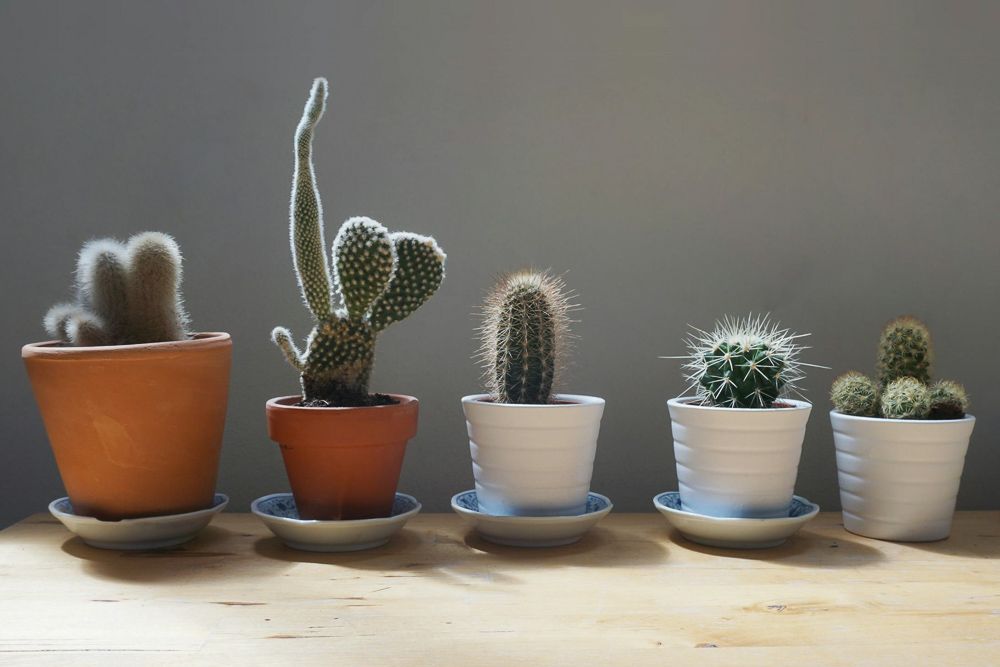
Even if you compare Vastu vs Feng Shui, both experts suggest that cacti, although pretty, can transmit bad energy at home. It is believed that the prickly and sharp thorns on the leaves carry negative energies within them. Keeping a cactus at home can bring misfortunes and also cause stress and anxiety within the family, as per Vastu.
But this does not mean that you cannot have a cactus plant at home at all!
If placed in the right location, they can be beneficial. For example, when placed on your terrace or by the window, it fights the negative energy that’s trying to flow in. Therefore, despite being one of the plants which is not good for home Vastu, in a way, it actually becomes the “protector” for your home.
#2: Bonsai
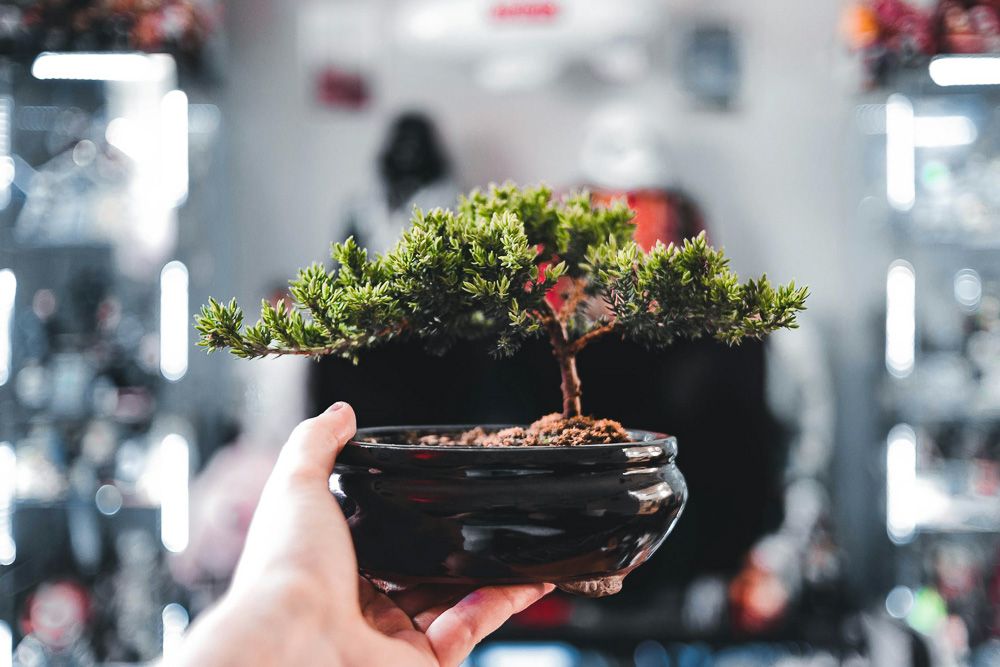
The core concept of bonsai involves inhibiting a tree’s natural growth to create a miniature version. In the Vastu Shastra for plants, this is seen as an inauspicious symbol that can potentially impede the growth and prosperity of the inhabitants of the house. These plants need a more open space like a garden or a verandah.
#3: Cotton plant

Cotton plants develop spiky seed pods and can have a slightly thorny stem. In Vastu Shastra for plants, sharp or pointed elements are believed to disrupt the flow of positive energy (chi) and create negative energy.
The life cycle of a cotton plant might be seen as unfinished indoors. While the plant produces beautiful flowers, the bolls don’t necessarily mature into usable cotton in a typical home environment. This incompleteness might be interpreted as hindering the potential or growth of the inhabitants. An ideal spot would be a sunny patio, balcony, or porch where they can receive at least 6-8 hours of direct sunlight daily.
#4: Mehendi/myrtle
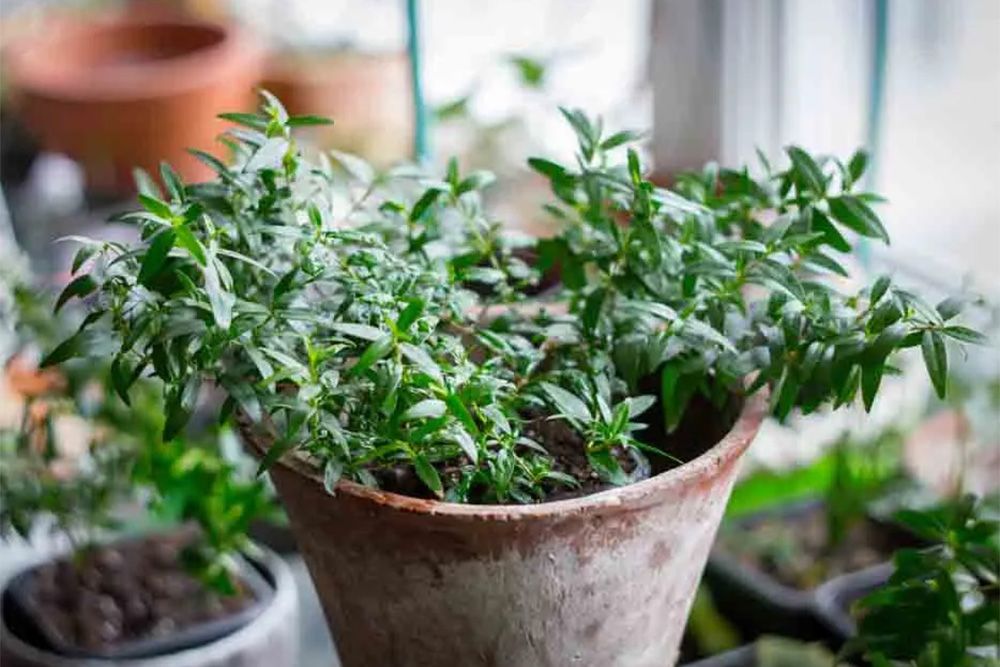
It is said that evil spirits dwell in mehendi or myrtle plants, and one should not keep these at home. In Hindu mythology, the myrtle or mehendi plant was created by the demon king Ravana’s sister, Suparnaka. This demonic connection led to the plant being considered inauspicious.
In some Indian cultures, mehendi leaves are used in funeral rituals which may have contributed to its association with death, mourning, and negative energies. Placing your Mehendi plant in a pot on a south or southwest-facing balcony or patio allows you to enjoy it while keeping it outside the living area.
#5: Dead plants
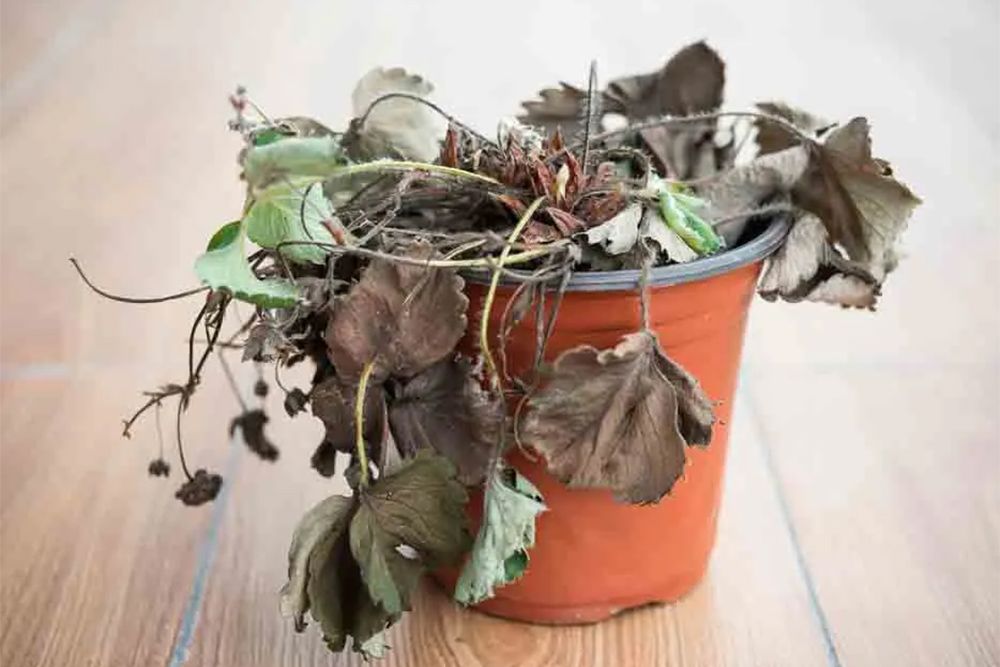
Wilting or dead plants are seen as inauspicious in Vastu Shastra for plants, so it’s best to remove them from your home and replace them with fresh, green, and ideally flowering plants to bring positive energy into your space.
Also Read: 5 Vastu-Friendly Plants That Encourage Wellness at Home
#6: Sago palm
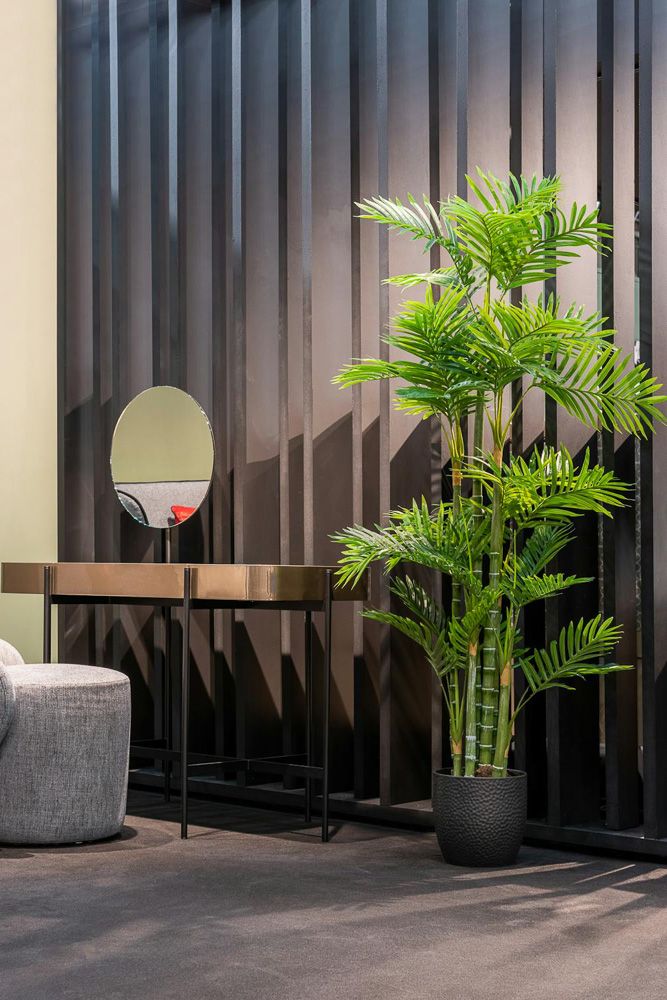
The fronds of a Sago Palm have a spiky or pointed appearance. In Vastu Shastra for plants, stagnant or slow growth can be seen as a reflection of stagnant energy flow. Plus, these are slow-growing plants that can take a long time to mature indoors so plant them in the east or north direction of your garden landscaping.
#7: Dumb cane
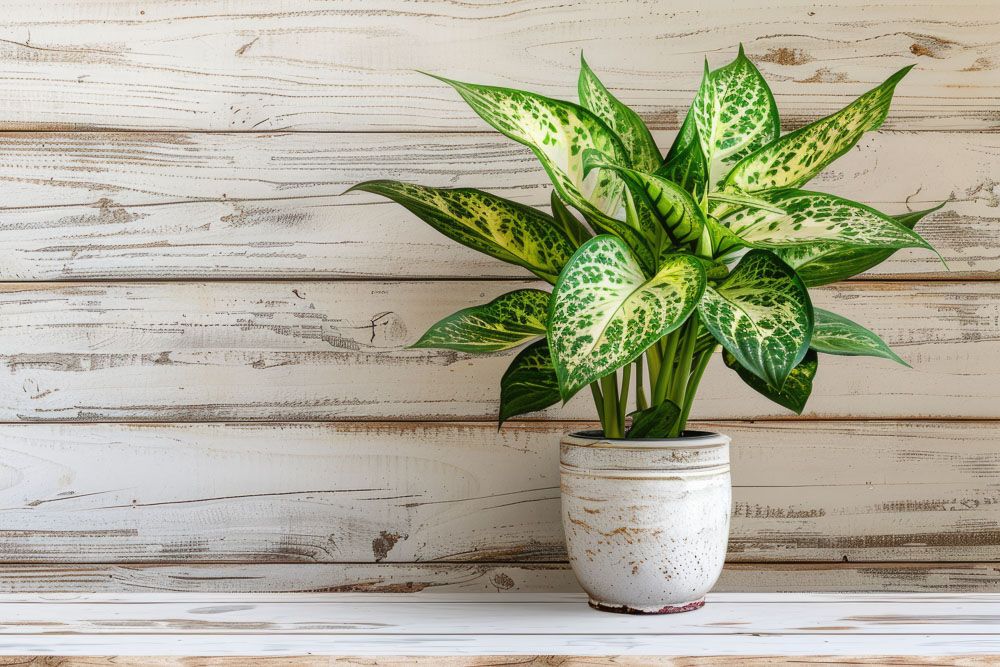
Dumb Cane plants are known to be toxic if ingested or if the sap comes into contact with skin or eyes. This toxic characteristic might be seen as introducing a negative element into the living space according to some rules in the Vastu Shastra for plants. Plus, they have pointed leaves so grow them outside.
Other plants not to have at home according to Vastu Shastra for plants
- Tamarind tree: According to the tree Vastu Shastra, tamarind trees can attract negative energy and misfortune. Additionally, scientific studies indicate that these trees release significant amounts of carbon dioxide and nitrogen during the night, making them unsuitable for indoor cultivation
- Date palm tree: These tropical trees, though easy to grow, can cause financial hardships for the family. If you already have a palm tree outside your house, ensure that it is in close proximity to the main entrance or door of your home. According to tree Vastu Shastra principles, even the shadow cast by a date palm tree on your residence is considered inauspicious and could potentially lead to negative consequences
- Babul tree: Also known as the Arabic gum tree, babul’s thorny presence around the house can cause fights among family members
- Banyan tree: Their large roots can grow under and even into buildings, causing cracks and instability. Also, the Banyan tree’s thick branches and leaves can block sunlight and fresh air, making your living space feel dark and stuffy
- Caladium: These vibrant plants can create unharmonious energy according to tree Vastu Shastra due to their bold colours and patterns
34 Vastu plants you can have at home
#1: Tulsi or holy basil
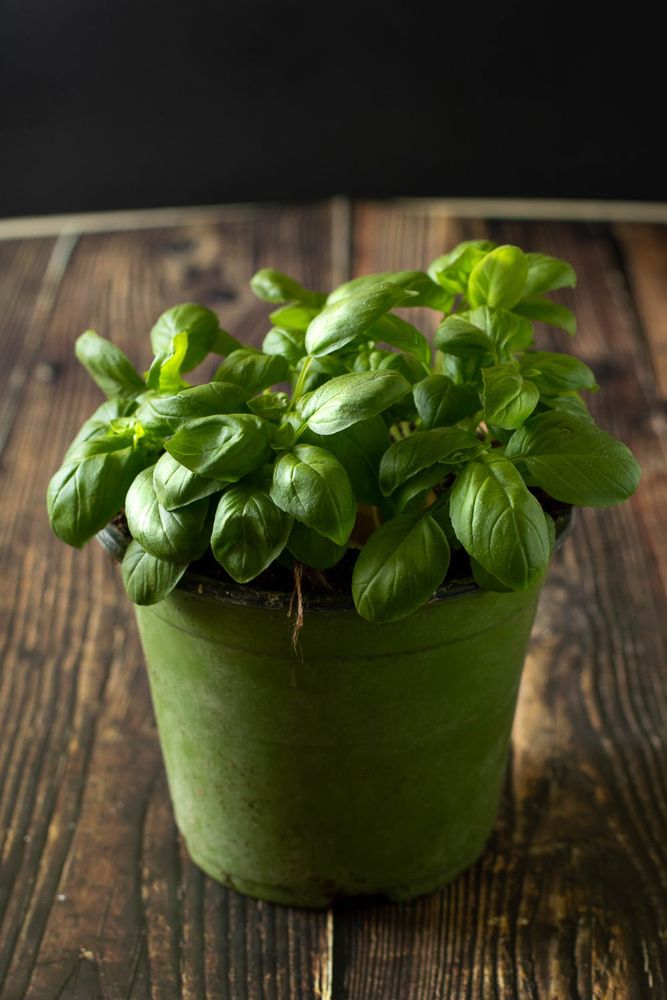
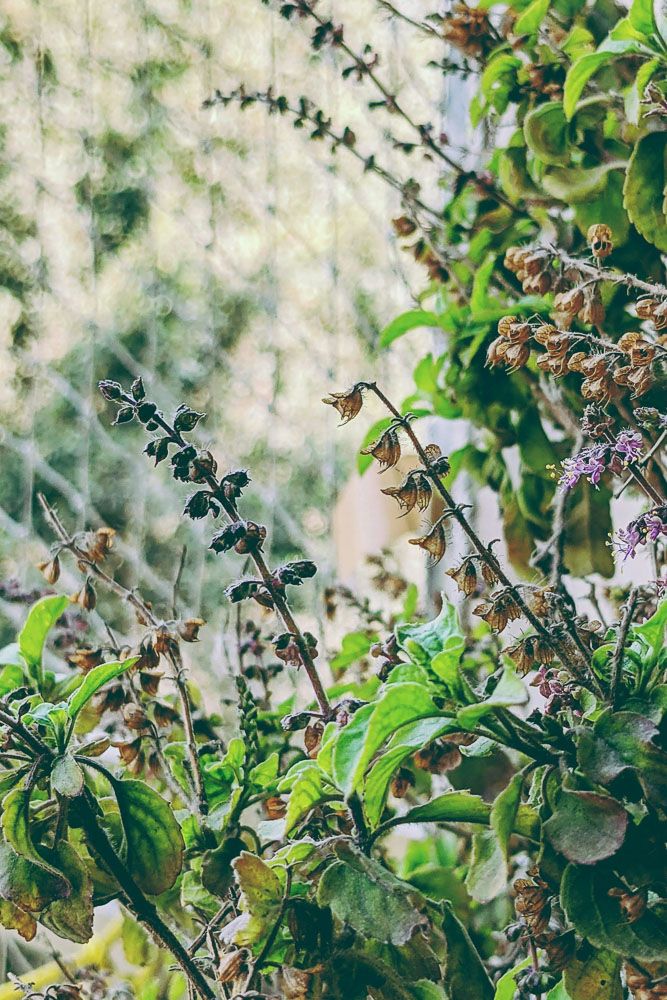
Tulsi is revered in Hinduism as a sacred embodiment of Goddess Lakshmi, the goddess of prosperity and well-being. Having a Tulsi plant (and/or a Tulsi mandir) in the east direction of your home is believed to bring positive energy, good luck, and blessings. It is also known for its air-purifying properties, contributing to a healthier and more refreshing indoor environment.
Maintenance tips:
- Bright, indirect light
- Consistent moisture
- Regular pruning
- Well-draining soil
- Harvest leaves frequently
- Aromatic herb
#2: Money plant or pothos
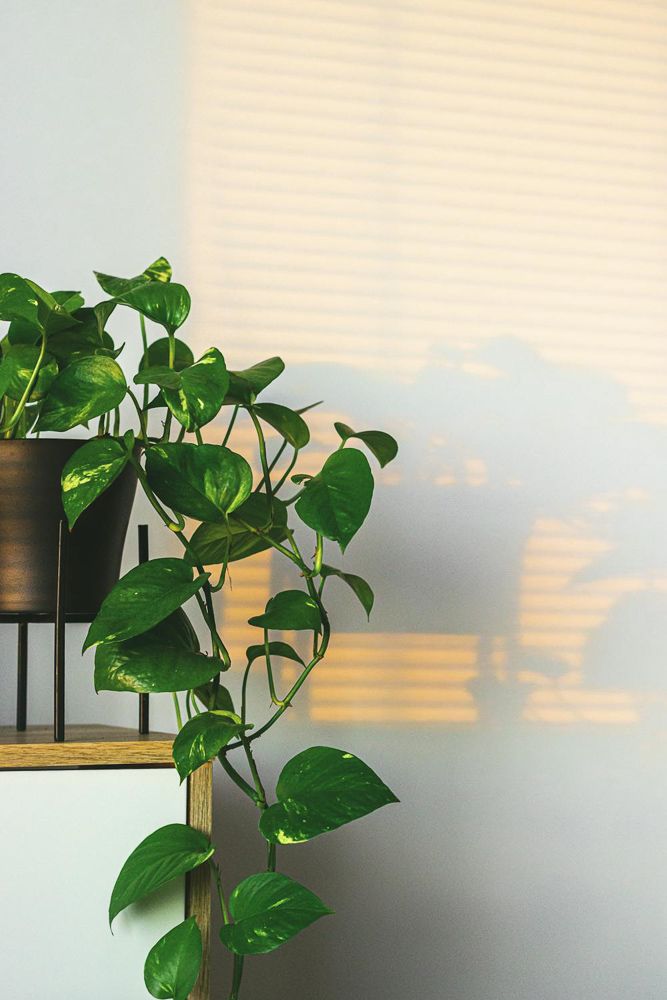
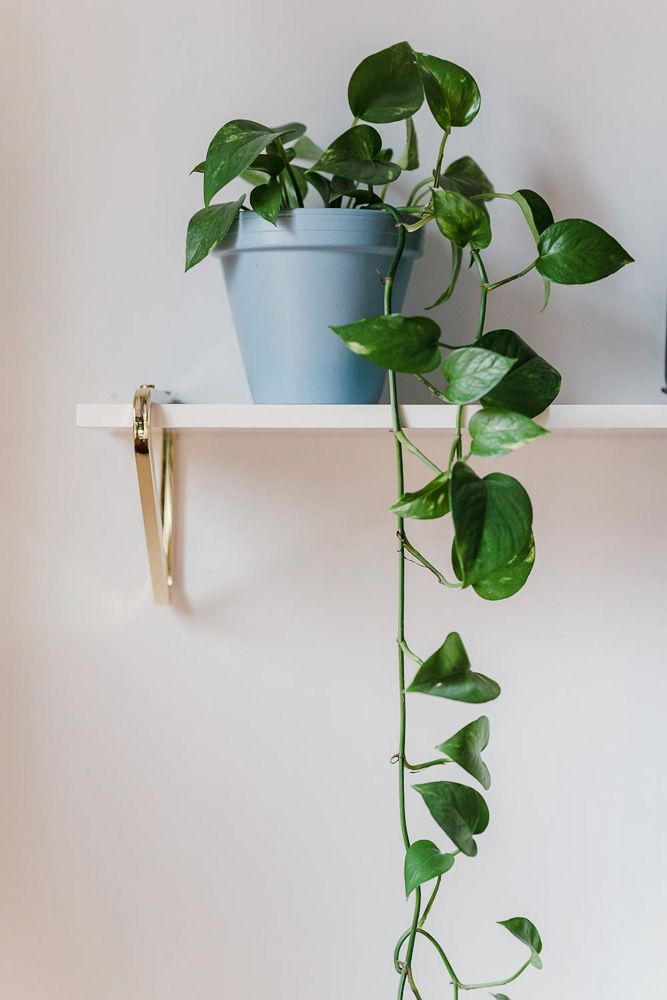
The round, coin-shaped leaves of the money plant symbolise wealth and good fortune in Vastu Shastra for plants. The trailing vines of the money plant represent growth and new beginnings. It’s believed to bring positive energy for career advancement, business ventures, or personal development. The money plant thrives in the southeast area of your home.
Maintenance tips:
- Tolerates low to bright indirect light
- Easy to grow
- Drought-tolerant
- Trailing or climbing plant
- Minimal fertilisation
- Air-purifying qualities
#3: Neem tree
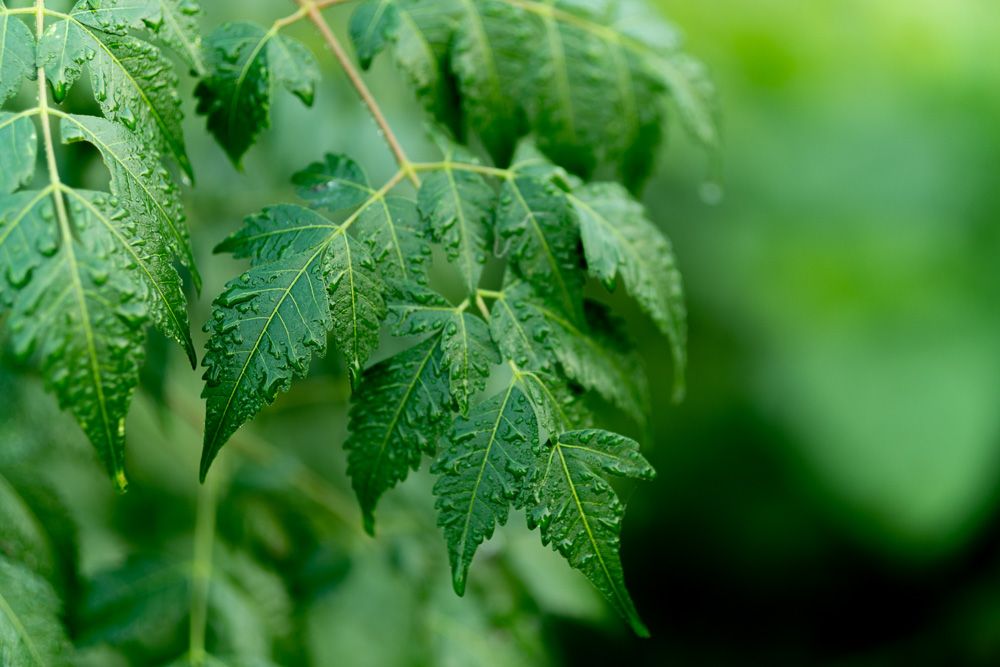
Neem trees are well-known for their air-purifying properties, filtering pollutants and releasing oxygen. This creates a healthier and more invigorating environment around your home when placed on the eastern and northern sides of the property. Vastu Shastra for plants also acknowledges the medicinal uses of its leaves and bark with well-being and healing.
Maintenance tips:
- Tropical tree
- Large space requirement
- Challenging indoor growth
- Needs consistent care
- Specific temperature requirements
- Better suited for outdoor cultivation
#4: Banana plant
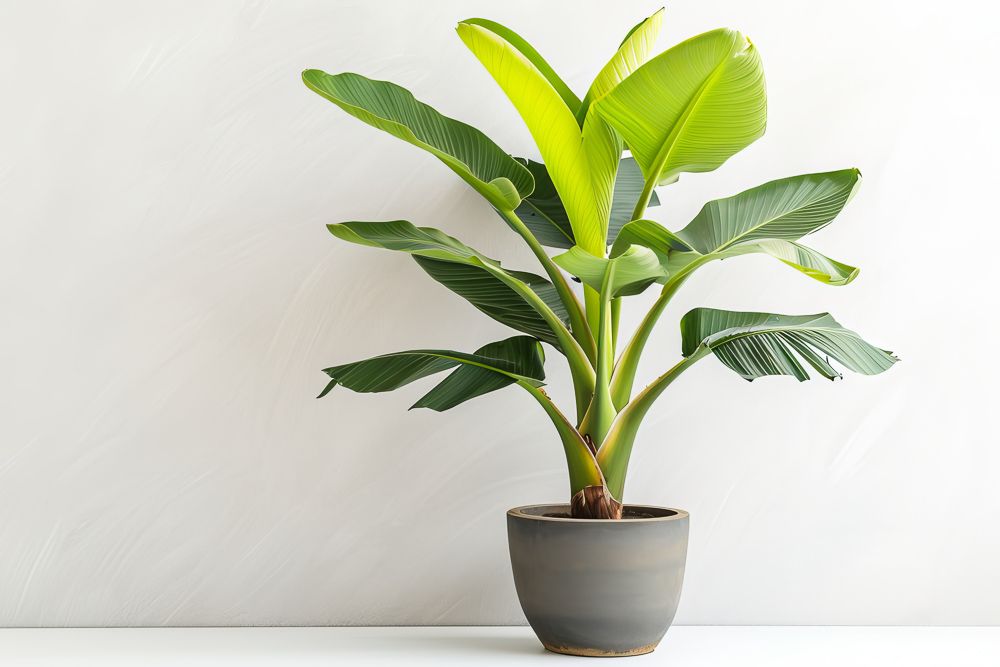
The ever-growing nature of the banana plant symbolises abundance, fertility, and overall well-being in the Vastu Shastra for plants. The northeast and east directions are considered the most beneficial zones for a banana plant.
Maintenance tips:
- Large space requirement
- High humidity
- Consistent moisture
- Bright, indirect light
- Challenging indoor maintenance
- Needs warm temperatures
#5: Lotus plant
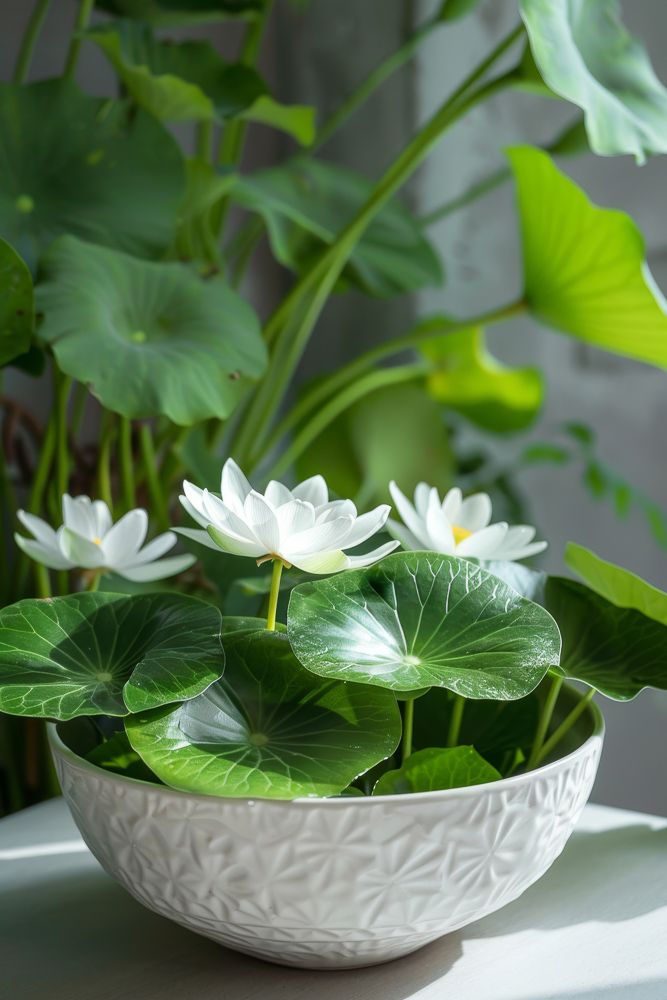
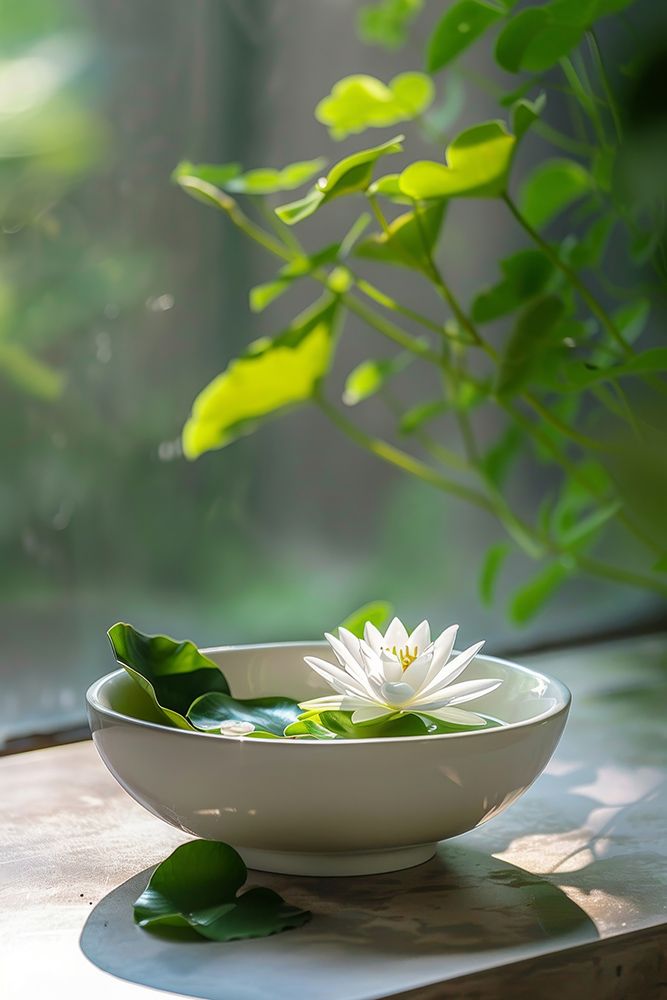
The Lotus flower rises from muddy water, blooming with pristine beauty. In Vastu, this symbolises the potential for spiritual growth and overcoming challenges. Its association with Goddess Lakshmi in Hinduism also adds to its auspiciousness. According to plant Vastu Shastra, the ideal directions to keep a lotus plant are northeast, north, east, or centre.
Maintenance tips:
- Challenging indoor plant
- Requires water environment
- Needs significant light
- Specific growing conditions
- Difficult to maintain indoors
- Best in outdoor water gardens
#6: Orchids
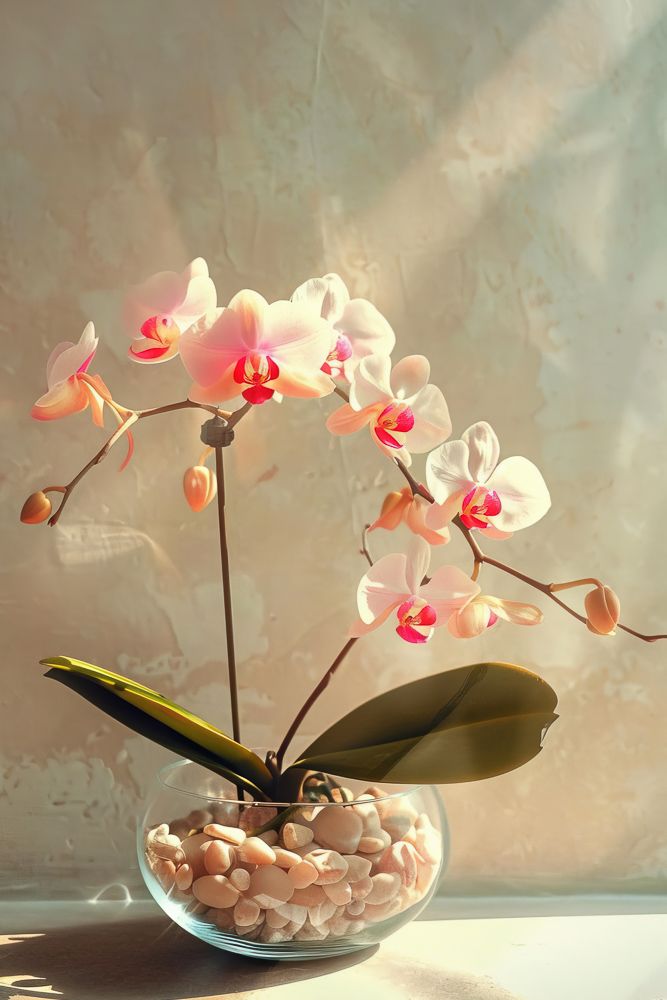
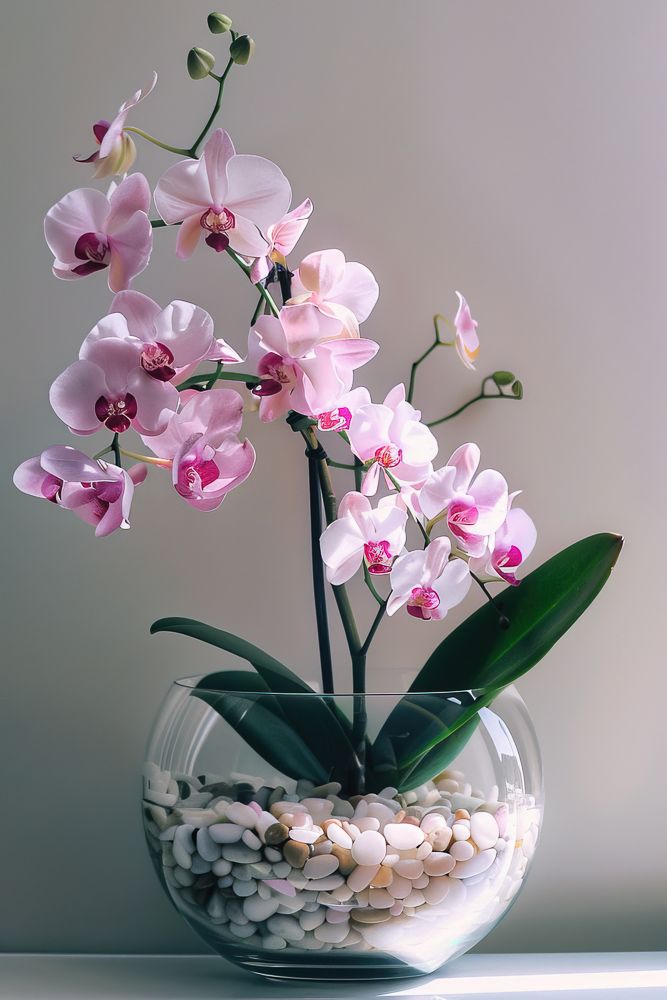
According to the plant Vastu Shastra, these beautiful flowers symbolise love, fertility, and abundance. Many believe that keeping orchids in your bedroom can boost romance and create a more intimate atmosphere. The ideal spot for your orchid is in the southwest corner of the room.
Maintenance tips:
- Bright, indirect light
- High humidity
- Specific watering technique
- Use orchid-specific potting mix
- Minimal fertilisation
- Delicate care requirements
Also Read: 4 Ways to Fix Your Bedroom Vastu to Keep Peace and Romance Alive
#7: Lavender
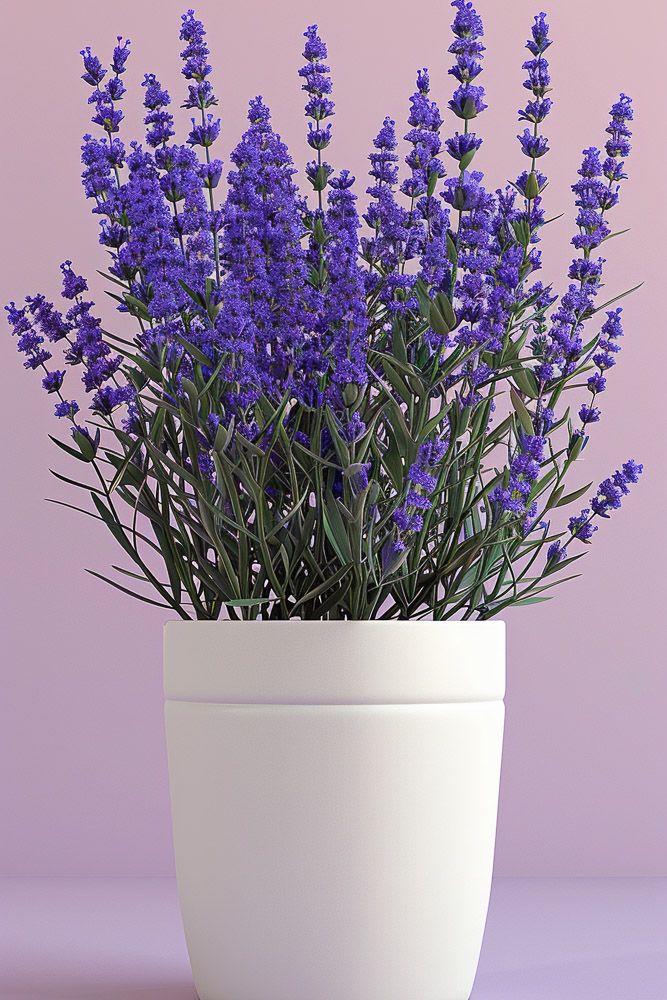
Amongst all the Vastu plants at home, not only is lavender’s scent known to be calming and help with stress, low mood, and even headaches, but it also acts as a natural bug repellent. Many house pests dislike the strong fragrance of lavender, making it a double threat against stress and pests! Following plant Vastu Shastra principles, the ideal spots for lavender plants are in the north, northeast, or east areas of your home.
Maintenance tips:
- Bright light
- Well-draining soil
- Minimal watering
- Good air circulation
- Prune after flowering
- Prefers cooler temperatures
#8: Herbs
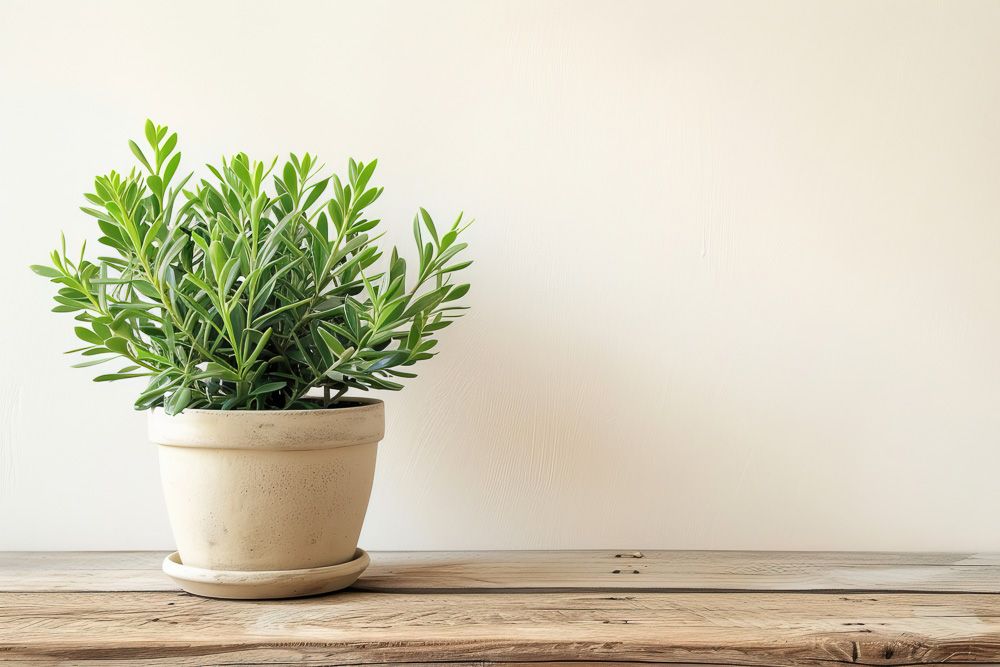
Growing herbs like thyme, coriander, and rosemary in your kitchen is seen as positive according to plant Vastu Shastra. Some of these Indian herbs, especially rosemary, have air-purifying properties, which can contribute to a healthier indoor environment. The east window is considered the most auspicious location for a small indoor herb garden. The east represents new beginnings and growth, which aligns well with these herbs.
Maintenance tips:
- Bright, indirect light
- Consistent moisture
- Regular pruning
- Well-draining soil
- Harvest frequently
- Rotate for even growth
#9: Rubber
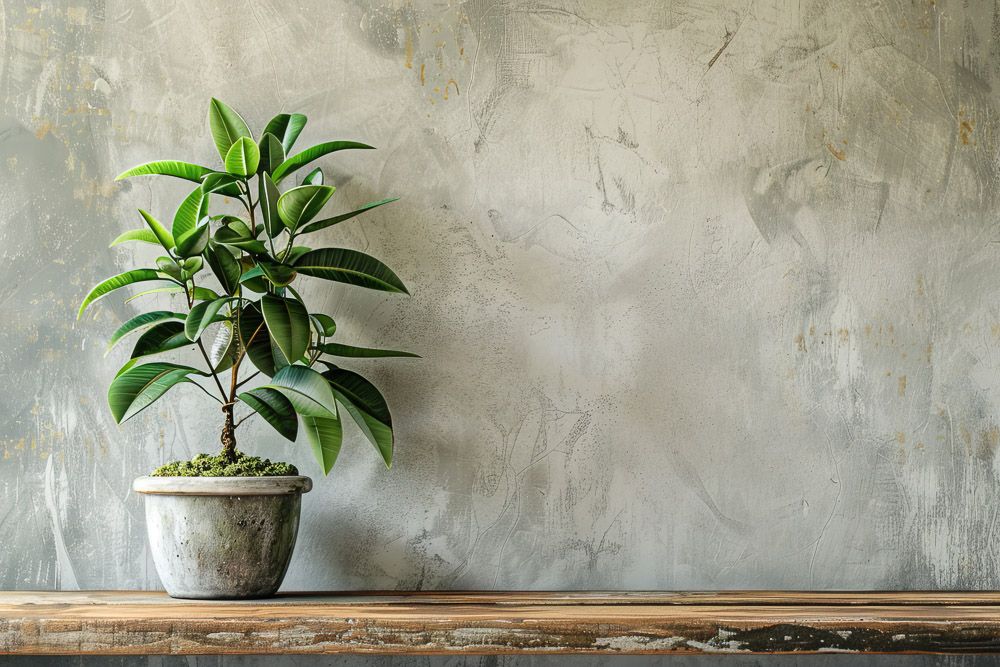
Rubber plant is believed to bring good luck and prosperity and it’s the best indoor plant unless you have a warm climate. The good news is they’re easy to care for indoors! Just keep in mind that the plant’s milky sap can irritate skin and is especially dangerous for those with latex allergies, and pets like cats, dogs, and horses. The trusty rubber plant is said to thrive and bring positive energy when placed in the southeast corner of your home.
Maintenance tips:
- Bright, indirect light
- Consistent moisture
- Wipe leaves to remove dust
- Prune to control size
- Fertilize during the growing season
- Sensitive to temperature changes
#10: Snake plant
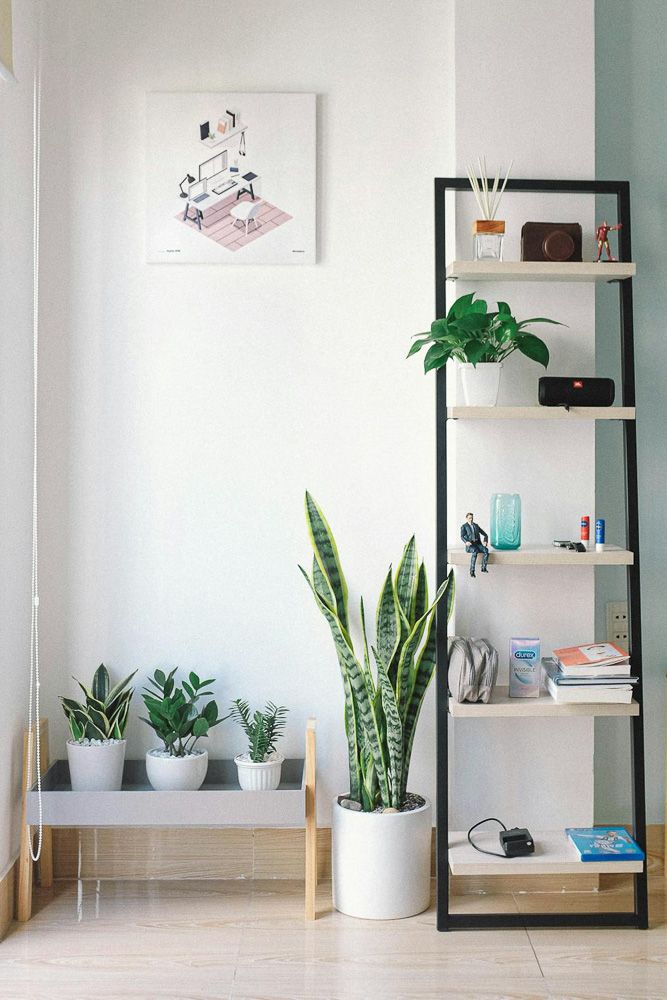
Vastu recommends placing it in the south, east, or southeast corners for the best results. Here are some extra tips for your snake plant’s happy home: avoid tabletops and keep it away from other plants. Remember, snake plants love dry environments, so bathrooms are a no-go!
Maintenance tips:
- Tolerates low to bright indirect light
- Extremely drought-tolerant
- Minimal watering needed
- Low maintenance
- Purifies air
- Tolerates neglect
Also Read: The Ultimate List of Indoor Plants for Lazy People
#11: Aloe vera
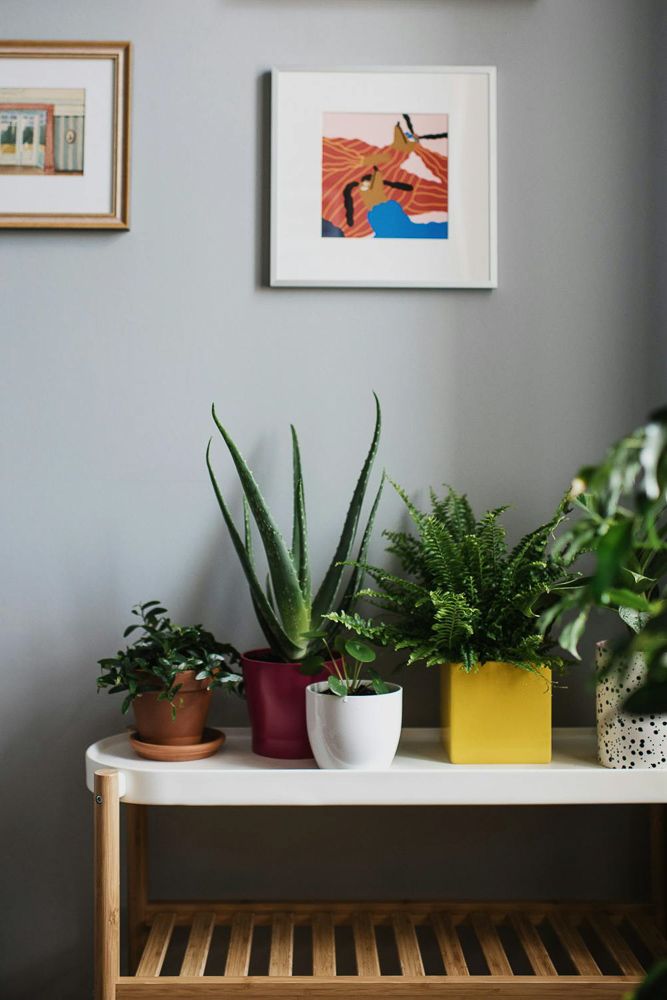
Beyond its well-known skin-soothing properties, having an Aloe Vera plant amongst all the Vastu plants at home can bring some positive vibes too! It’s believed to improve the air quality at home by boosting oxygen levels. Keeping the Aloe Vera plant in the eastern or northern part of your house ushers in happiness and prosperity.
Maintenance tips:
- Bright, indirect light
- Drought-tolerant succulent
- Water sparingly
- Well-draining soil
- Minimal fertilization
- Stores water in leaves
#12: Peace lily
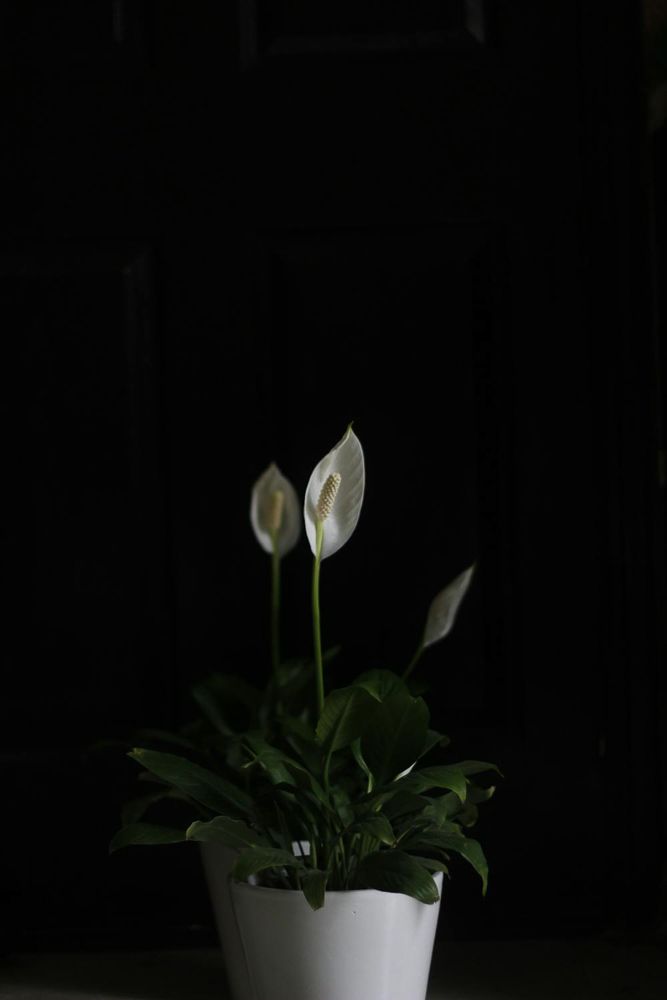
Peace lilies are believed to bring good vibes and positive energy and are a great choice for any home. While they can be placed anywhere, the west or south-facing windows are said to be ideal spots. Plant Vastu Shastra also suggests keeping a peace lily in your children’s room to promote focus and create a peaceful environment for them. A warning though: Lilies are poisonous to cats, and can cause stomach upset and skin irritation in humans.
Maintenance tips:
- Tolerates low to moderate light
- Keep soil consistently moist
- High humidity lover
- Remove yellow leaves
- Sensitive to overwatering
- Purifies air effectively
#14: Ashoka tree
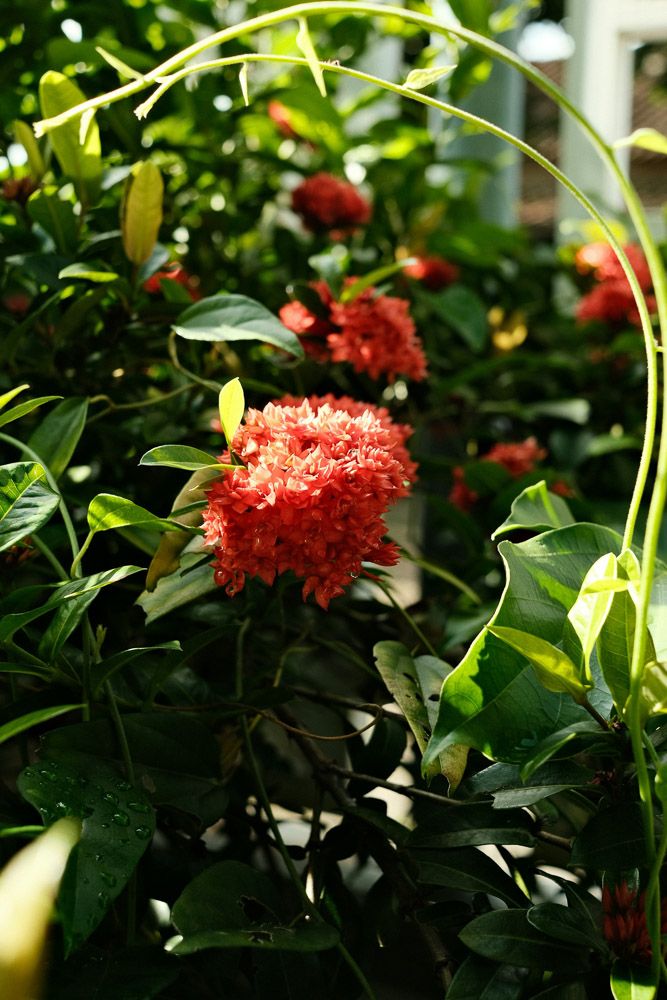
Some believe it has the power to remove negative influences and promote the smooth completion of tasks within the household. Whether you’re looking for a touch of beauty or a boost of good luck, the Ashoka tree planted towards the north is a popular choice.
Maintenance tips:
- Tropical tree
- Challenging as an indoor plant
- Requires large space
- Needs consistent warm temperatures
- High humidity requirements
- Difficult to maintain indoors
#15: Chrysthanemum
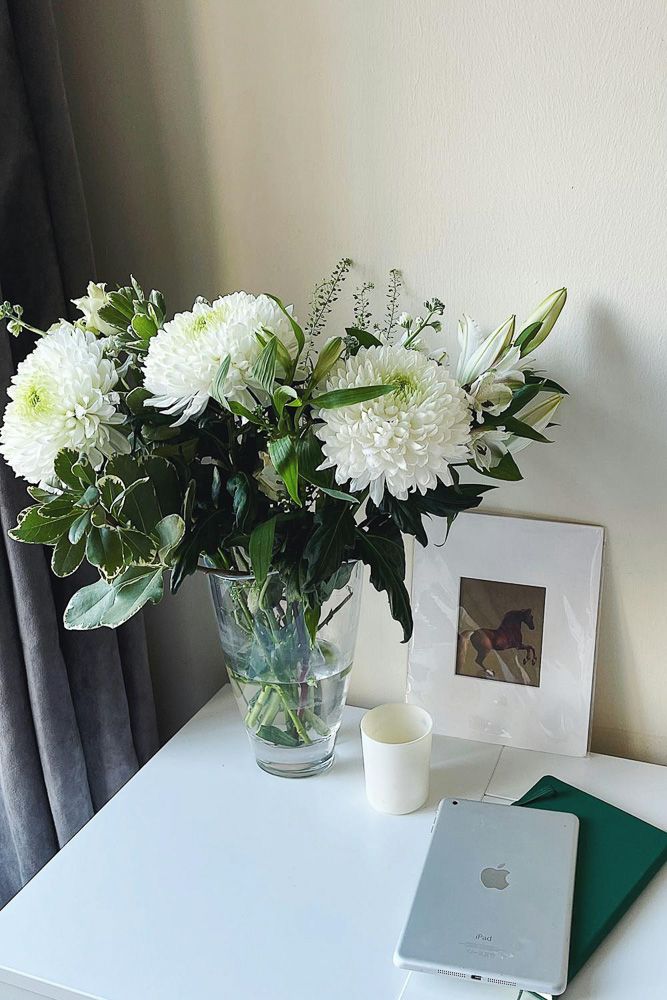
Not only does this flower brighten your day with its sunny colour, but it’s also believed to attract good luck and positive vibes when placed in the southeast direction of the house. It even acts as a natural air purifier, removing toxins from your home. Interestingly, in Buddhist cultures, chrysanthemums are a common sight gracing altars, symbolising their spiritual significance.
Maintenance tips:
- Bright, indirect light
- Consistent moisture
- Pinch back for bushier growth
- Fertilize during the growing season
- Short indoor lifespan
- Prefer cooler temperatures
#16: Daffodil
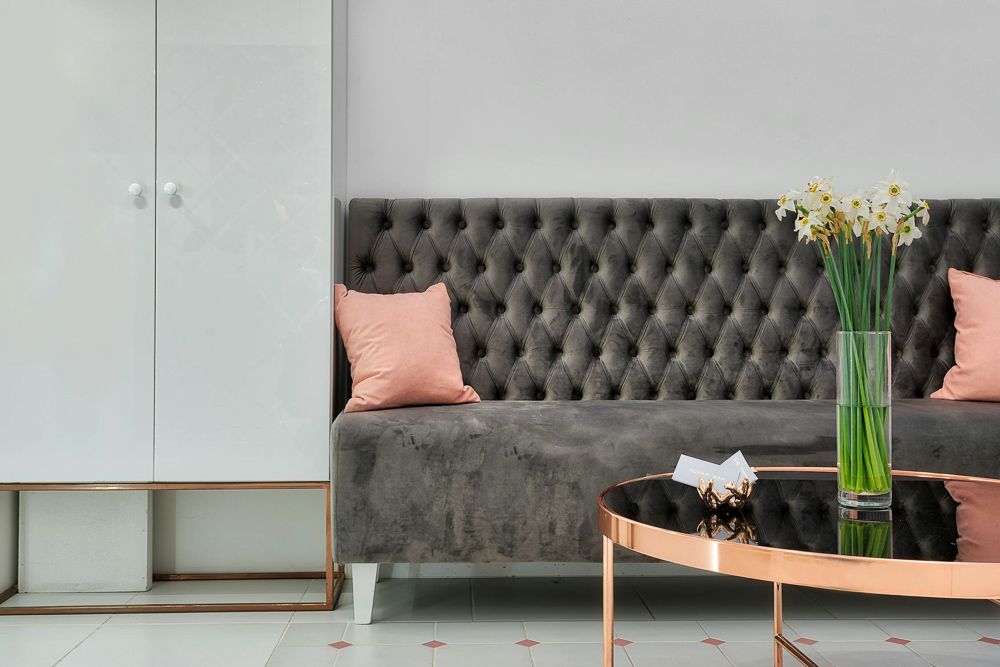
According to the plant Vastu Shastra, the daffodil is a symbol of positivity, representing faith, truth, and forgiveness. To maximise these benefits, it’s recommended to plant daffodils in the north or northeast part of your home. But that’s not all! These cheerful flowers are also believed to bring good luck and fortune to the homeowner and their family.
Maintenance tips:
- Typically outdoor bulb plants
- Require cold dormancy
- Challenging to maintain indoors
- Short blooming period
- Need specific winter chilling conditions
Also Read: 28 Unique Flower Vases Revealed for Your Living Room
#17: Jade
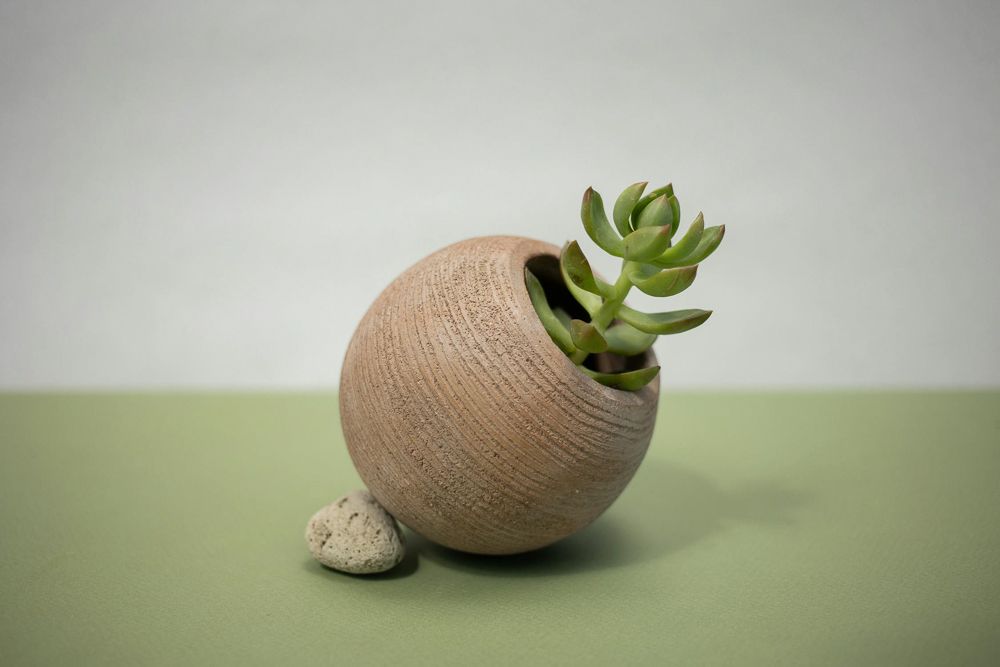
Plant Vastu Shastra suggests placing a Jade plant in the north or east part of your home for good luck and prosperity. The living room is another great spot, as it’s a social area where people gather, allowing the plant’s positive energy to be shared.
Maintenance tips:
- Bright, indirect light
- Drought-tolerant succulent
- Water sparingly
- Well-draining soil
- Minimal fertilization
- Prone to root rot if overwatered
#18: Jasmine
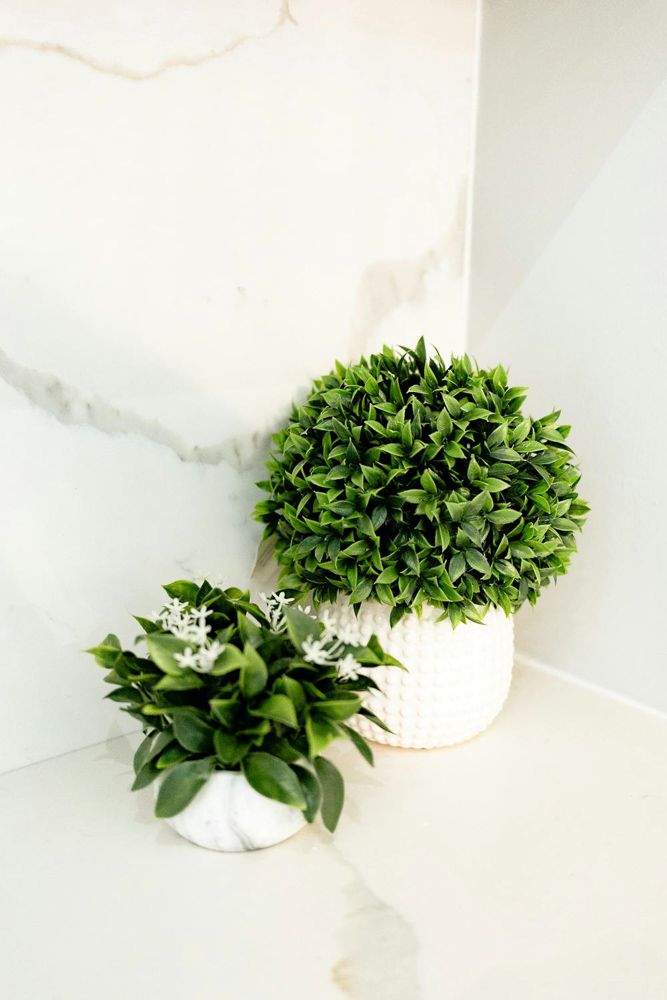
Consider adding a jasmine plant to your home! Believed to attract positive energy and promote love in relationships, this fragrant friend can be easily incorporated into your indoor space. Just find a sunny spot near a south-facing window for it to thrive. If you’re planting jasmine outdoors, aim for an east, north, or northeast location.
Maintenance tips:
- Bright, indirect light
- Consistent moisture
- Requires support for climbing
- Prune after flowering
- Prefer cooler temperatures
- Fragrant flowering plant
Also Read: Consider These 8 Best Indoor Plants if Your Apartment is Dimly Lit
#19: Hibiscus
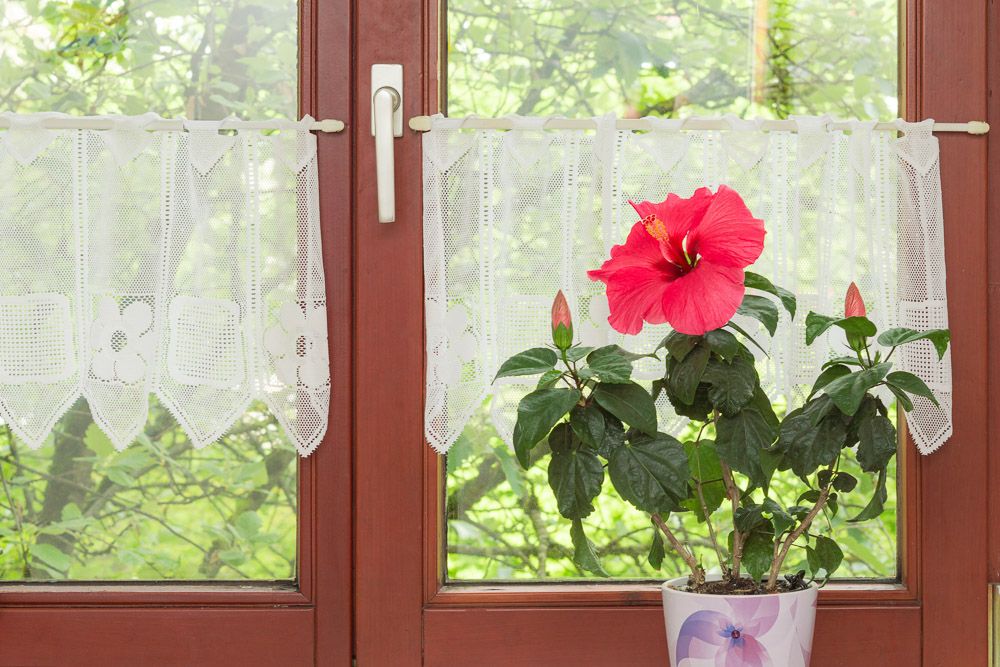
Vastu Shastra recommends positioning hibiscus plants in the north or east directions of your home. However, these plants can thrive indoors as long as they receive 2-3 hours of direct sunlight daily. If you choose to grow a hibiscus indoors, place it near a west or south-facing window and ensure it’s in a warm, humid environment. Using a humidifier and shielding it from cold drafts can further optimise its indoor growth.
Maintenance tips:
- Bright, indirect light
- Consistent moisture
- High humidity needed
- Prune to maintain shape
- Fertilize during the growing season
- Watch for pest infestations
#20: Marigold
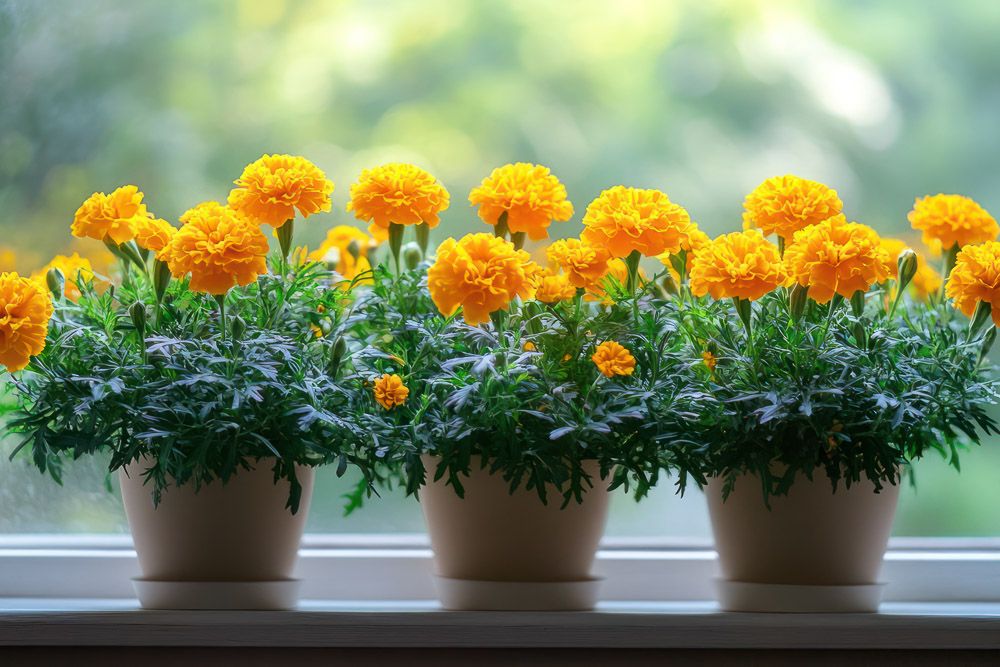
Marigolds flourish in west-facing homes due to their ideal light requirements. These cheerful flowers thrive in moderate light conditions, avoiding both harsh sunlight and dim corners. Healthy marigolds boast vibrant green leaves and sturdy stems. If the stems become elongated and weak, it’s a sign that the plant needs more light and should be moved closer to a window.
Maintenance tips:
- More suitable as outdoor plants
- Require full sun
- Short-lived indoor flowering plant
- Challenging to maintain indoors
- Best grown in gardens or balconies
#21: Peonies
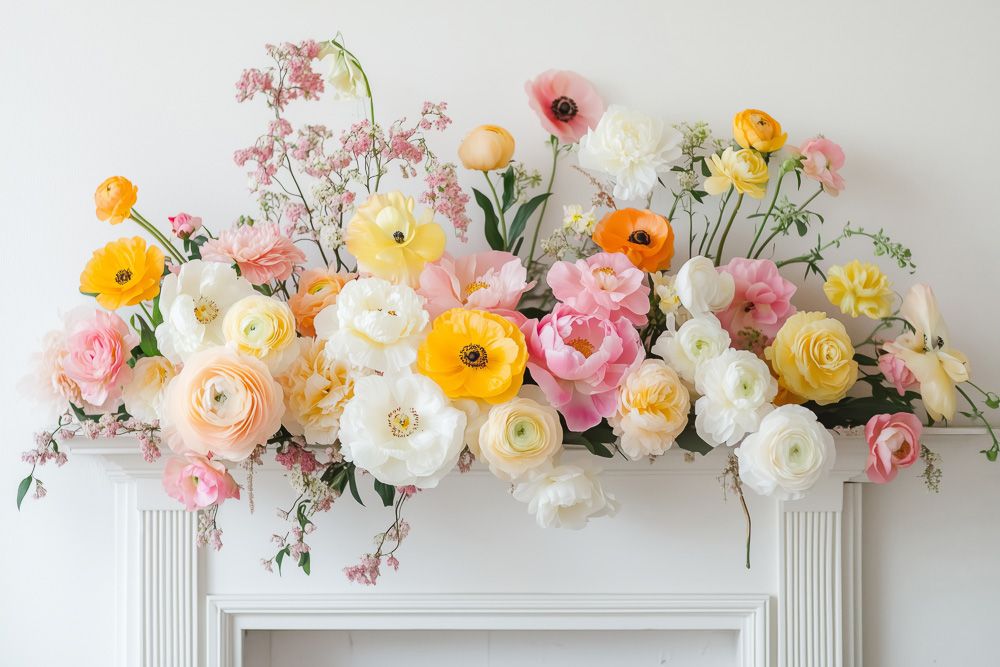
Peonies, symbols of love and optimism, are a great indoor plant choice. According to Vastu Shastra for plants, placing them in the southwest corner of a home can attract positive energy. These plants are also associated with the divine feminine energy or Shakti.
Maintenance tips:
- Typically outdoor plants
- Need cold dormancy period
- Challenging as indoor plants
- Prefer full sun
- Require well-draining soil
- Limited indoor success
#23: Areca palm
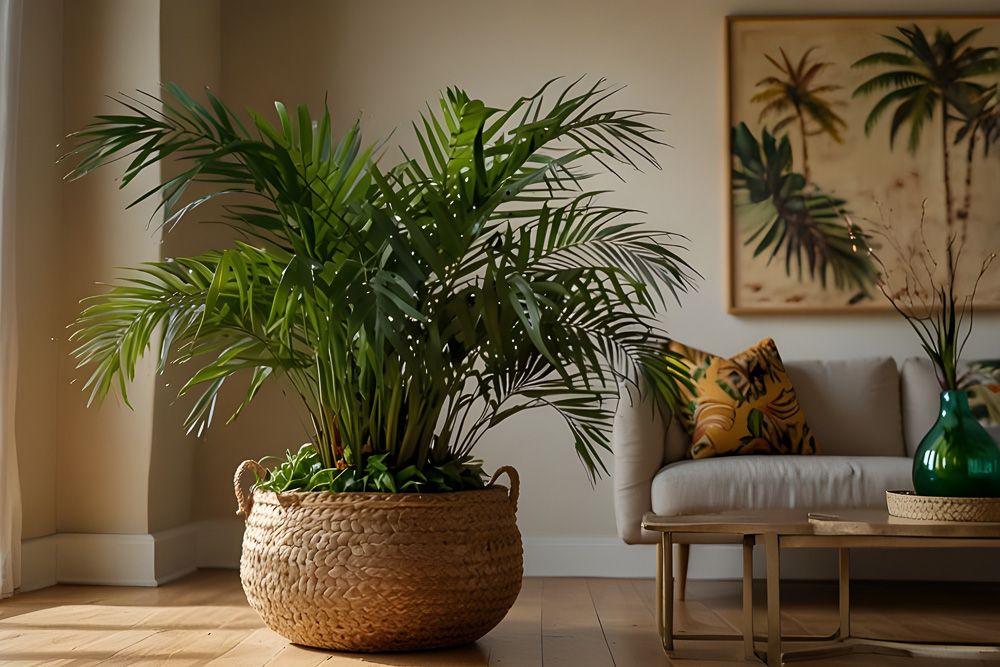
These plants thrive in bright, indirect light. While they can tolerate full sunlight indoors, they prefer the softer, filtered light outdoors. Indoors, they flourish best near a south or west-facing window, where they can receive ample bright light.
Maintenance tips:
- Prefers bright, indirect light
- Keep soil consistently moist
- High humidity requirements
- Mist leaves regularly
- Fertilise during the growing season
- Sensitive to cold drafts
#24: Spider plant
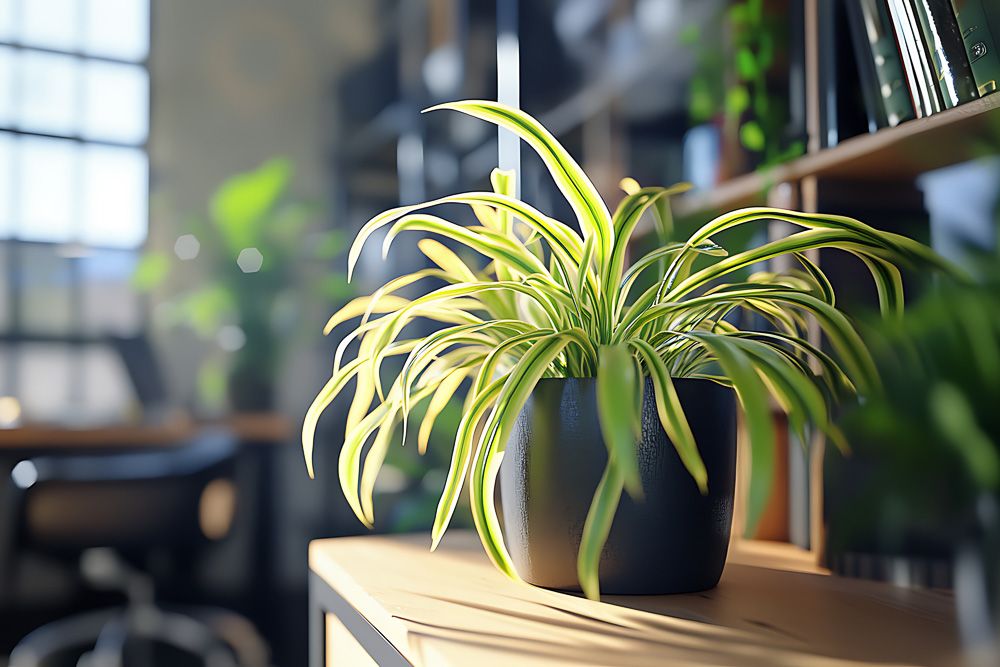
Spider plants thrive in bright, indirect light but can adapt to lower light conditions. While they can tolerate west-facing windows, direct sunlight should be avoided to prevent leaf burn. These plants have moderate water needs and are somewhat forgiving of over- or underwatering. Keep the soil consistently moist, but not waterlogged.
Ideal temperatures for spider plants range from 18 to 24 degrees Celsius, as they struggle in extremely cold environments. While they can tolerate low humidity, occasional misting can help prevent brown leaf spots. Spider plants prefer well-draining, lightweight soil and are not particular about the type of potting mix. Minimal fertilisation is required for these low-maintenance plants.
Maintenance tips:
- Bright, indirect light
- Water when the top inch of soil is dry
- Tolerates moderate humidity
- Remove brown tips
- Propagates easily through baby plantlets
- Low-maintenance and adaptable
#25: Fiddle leaf fig
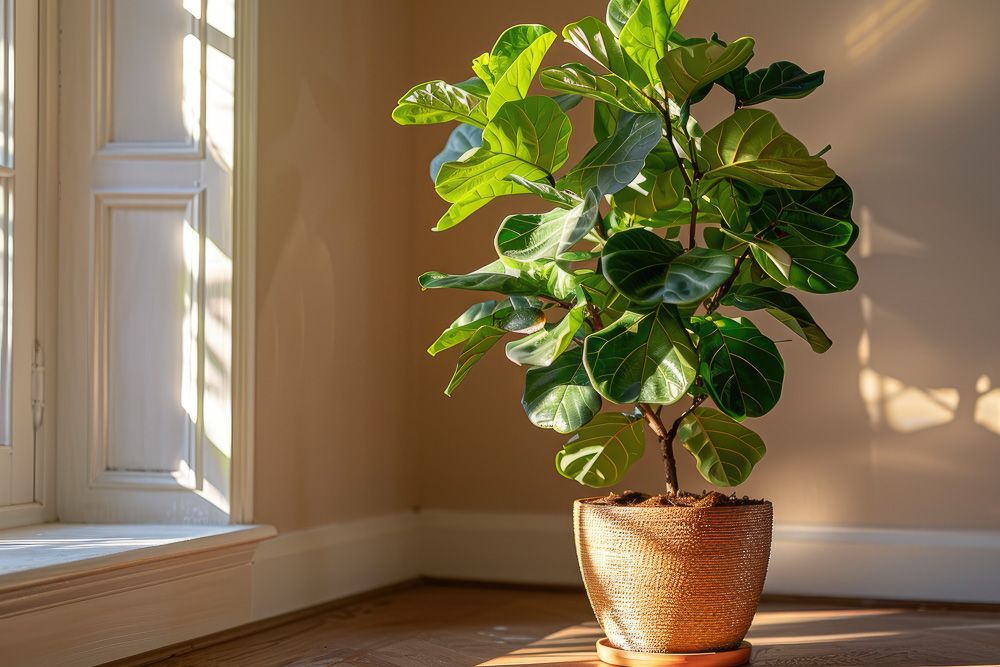
West-facing windows provide bright, indirect light in the afternoon, which is ideal for fiddle leaf figs. They enjoy bright but filtered light, preventing leaf burn while giving them enough energy to maintain their large, dramatic leaves.
Maintenance tips:
- Water when the top 2-3 inches of soil are dry
- Avoid drafts and sudden temperature changes
- Wipe leaves monthly to remove dust
- Fertilize sparingly during growing season (spring/summer)
- Rotate occasionally for even growth
- Watch for brown spots indicating overwatering or environmental stress
#26: Monstera
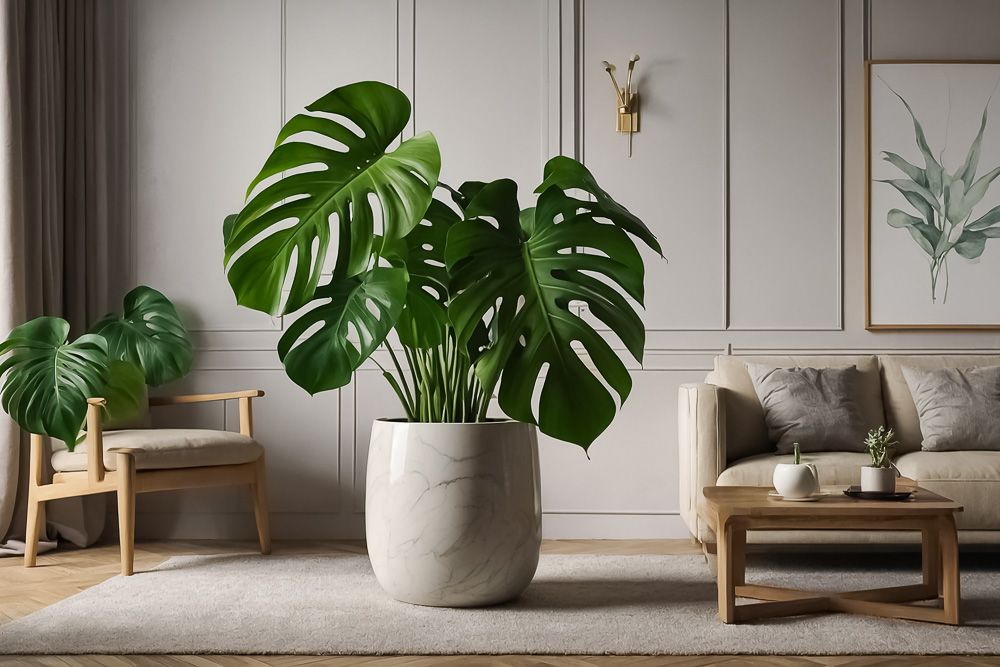
These plants thrive in bright, indirect light that a west-facing window provides. The afternoon light is gentle enough to support their growth without scorching their large, unique leaves. The light exposure helps them develop their characteristic fenestrated (holes) leaves.
Maintenance tips:
- Water when the top inch of soil is dry
- Provide humidity (use a humidifier or pebble tray)
- Support climbing with moss pole or trellis
- Prune to control size and encourage bushier growth
- Clean leaves regularly to maintain photosynthesis
- Watch for yellowing leaves (often a sign of overwatering)
#27: Arrowhead plant
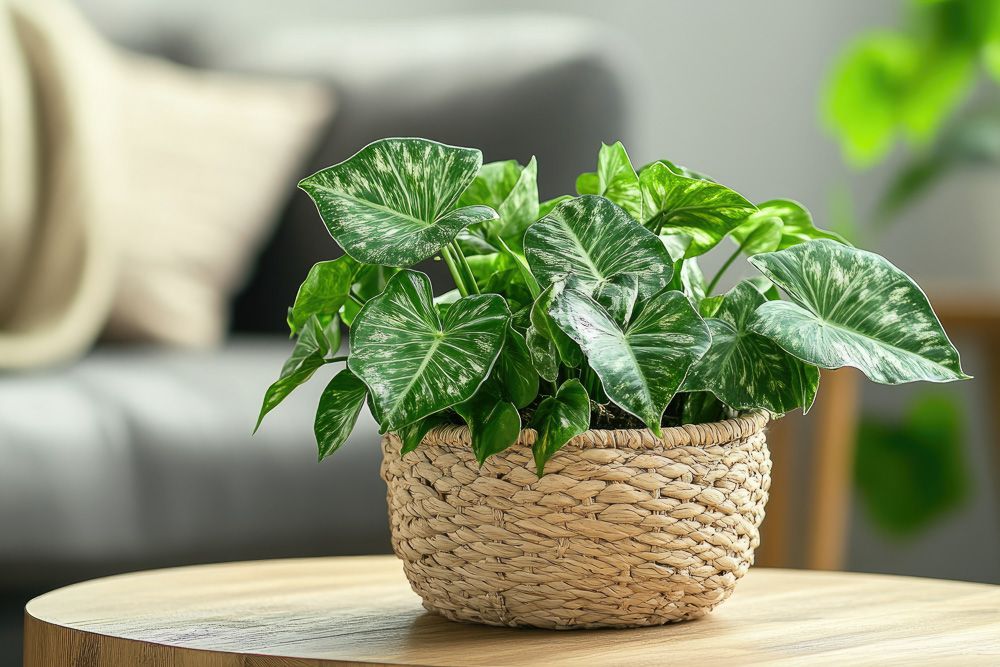
West-facing windows offer the perfect balance of light for arrowhead plants. They prefer bright, indirect light and can tolerate the softer afternoon sun, which prevents their delicate leaves from getting damaged.
Maintenance tips:
- Maintain consistent moisture (not soggy)
- Prefer high humidity environments
- Trim regularly to control leggy growth
- Fertilize monthly during the growing season
- Can tolerate moderate pruning
- Rotate to ensure even growth and light exposure
#28: Heartleaf Philodendron
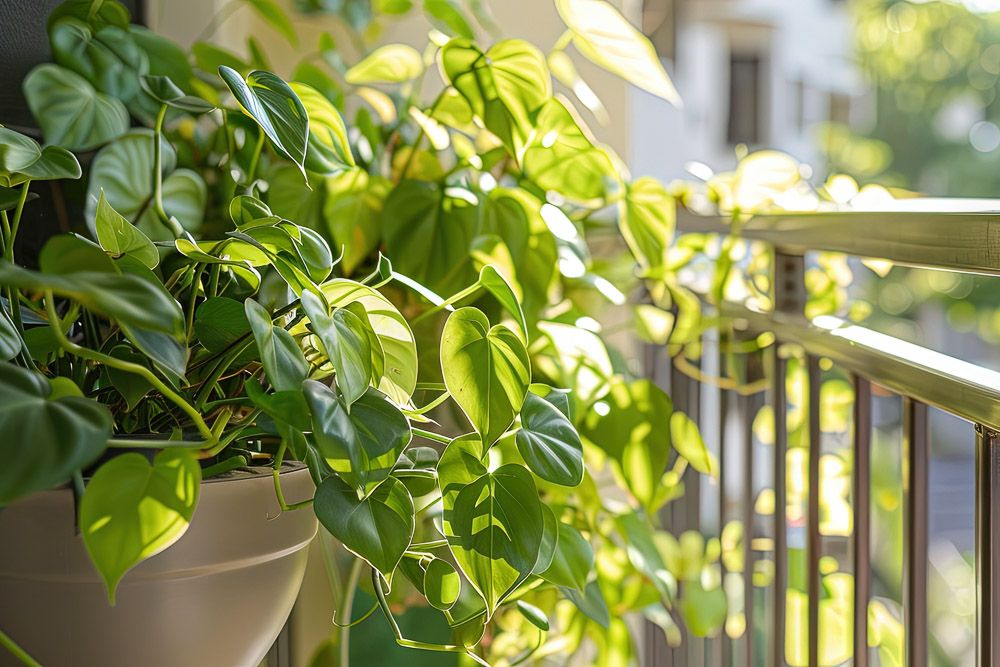
Heartleaf philodendron plants adapt well to the moderate light conditions of a west-facing window. The indirect afternoon light promotes healthy growth without being too intense, making it an excellent spot for these trailing plants.
Maintenance tips:
- Allow soil to dry between waterings
- Tolerates low to bright indirect light
- Prune to encourage fuller growth
- Can be trained to climb or trail
- Wipe leaves to remove dust
- Fertilise lightly during the growing season
#29: ZZ plant
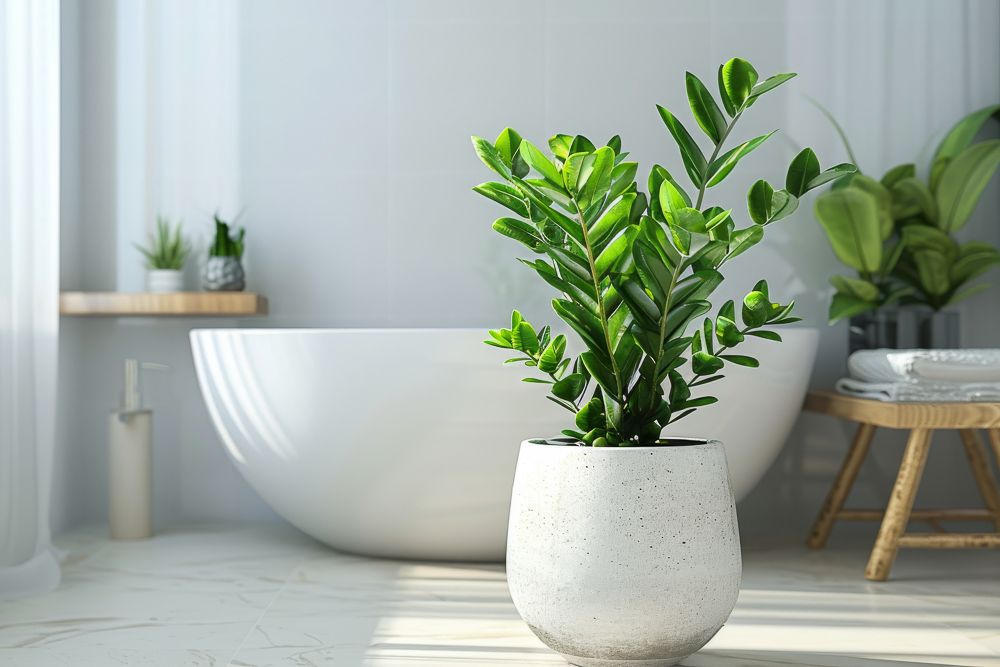
Incredibly adaptable, ZZ plants can tolerate low to bright indirect light. A west-facing window provides just the right amount of light without overwhelming this low-maintenance plant.
Maintenance tips:
- Very drought-tolerant
- Water sparingly (every 2-3 weeks)
- Tolerates low light conditions
- Avoid direct sunlight
- Minimal fertilization needed
- Extremely low maintenance
- Toxic to pets, so keep out of reach
#30: Bird’s nest fern
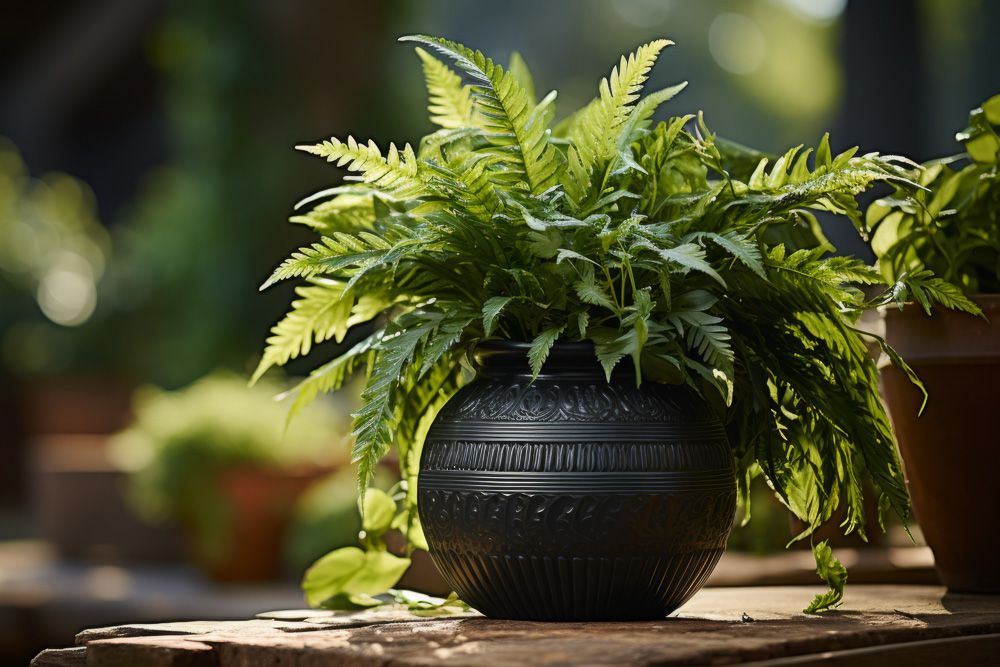
These ferns love bright, indirect light, making a west-facing window an ideal location. The afternoon light is soft enough to prevent leaf damage while providing enough energy for healthy growth.
Maintenance tips:
- Keep soil consistently moist but not waterlogged
- High humidity requirements
- Mist leaves regularly
- Avoid getting water in the centre of the plant
- Remove brown or crispy fronds
- Sensitive to cold drafts
- Fertilize sparingly during the growing season
#31: Boston fern
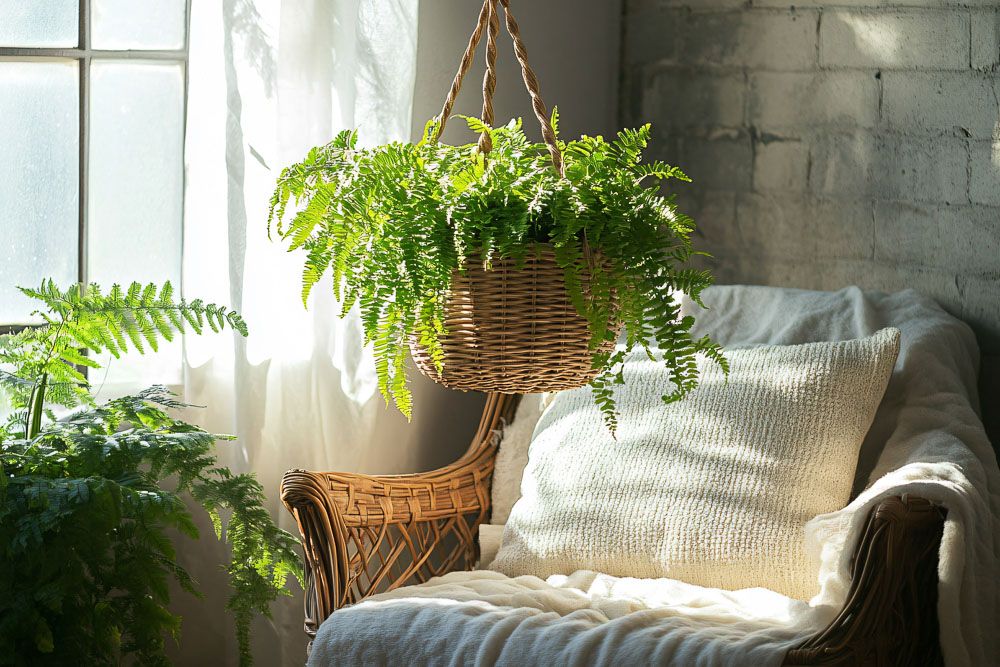
Similar to bird’s nest ferns, Boston ferns thrive in bright, indirect light. West-facing windows offer protection from harsh morning or midday sun while providing sufficient light for lush, green fronds.
Maintenance tips:
- Require high humidity
- Keep soil consistently moist
- Mist frequently
- Place in indirect light
- Prune dead or yellow fronds
- Can be sensitive to temperature changes
- Use filtered or rainwater if possible
#32: Chinese money plant
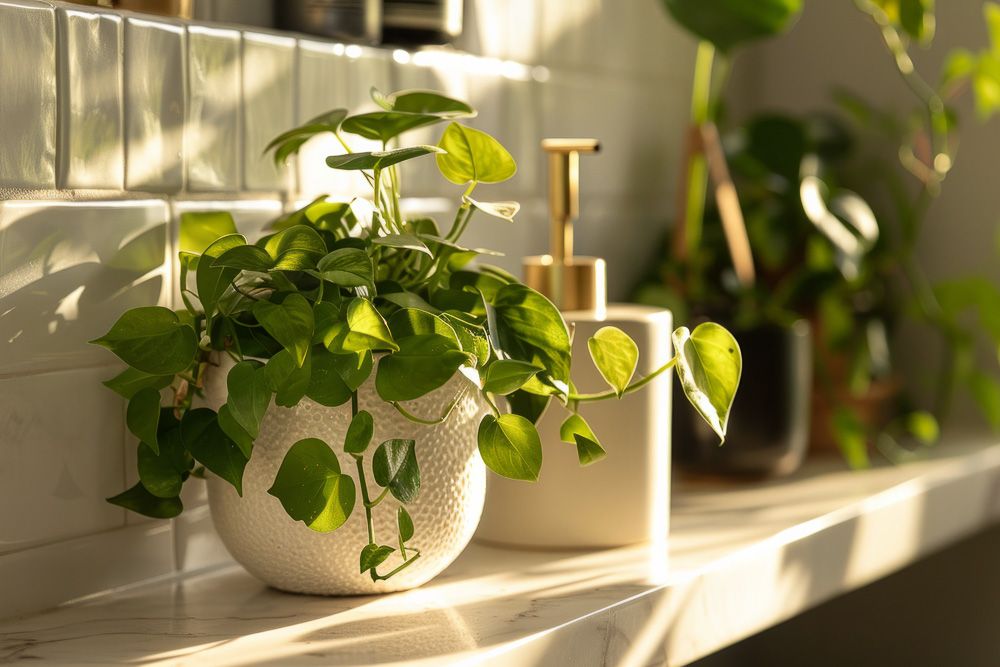
These plants prefer bright, indirect light, and a west-facing window provides the perfect lighting conditions. The afternoon light helps maintain their compact growth and circular leaf shape.
Maintenance tips:
- Water when the top inch of soil is dry
- Rotate frequently for even growth
- Tolerates moderate temperatures
- Prone to leaf drop if overwatered
- Propagates easily through offshoots
- Minimal fertilization needed
- Prefers well-draining soil
#33: Bromeliads
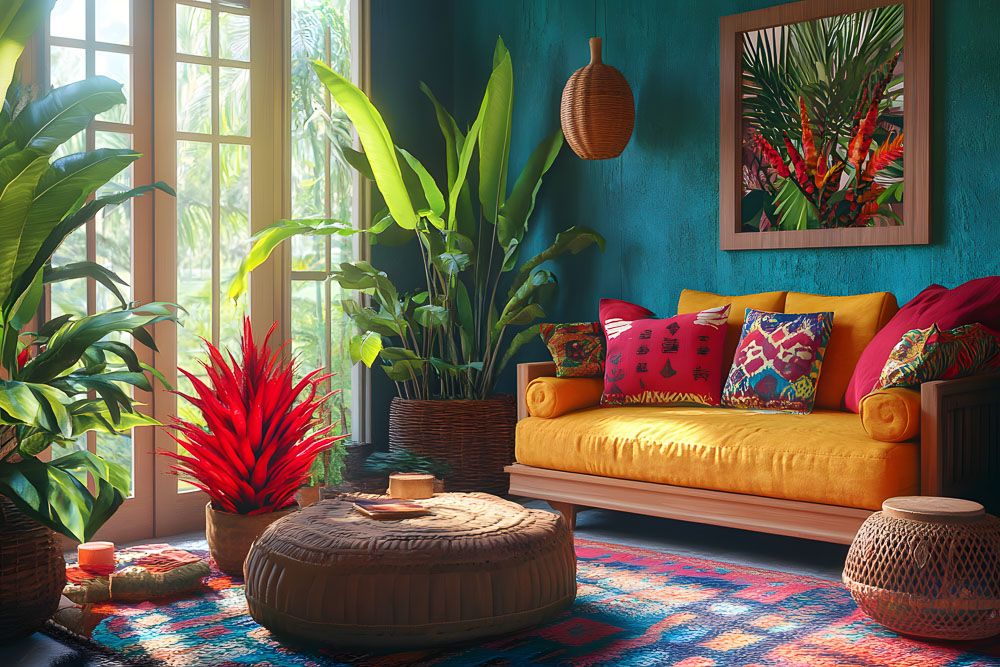
These tropical plants enjoy bright, indirect light, making west-facing windows an excellent choice. The filtered afternoon light helps maintain their vibrant colours and supports their unique growth patterns.
Maintenance tips:
- Water in the central “cup” of the plant
- Ensure good air circulation
- Provide high humidity
- Use rainwater or filtered water
- Bloom only once in a lifetime
- Remove pups for propagation
- Avoid overwatering the soil
#34: Peperomia
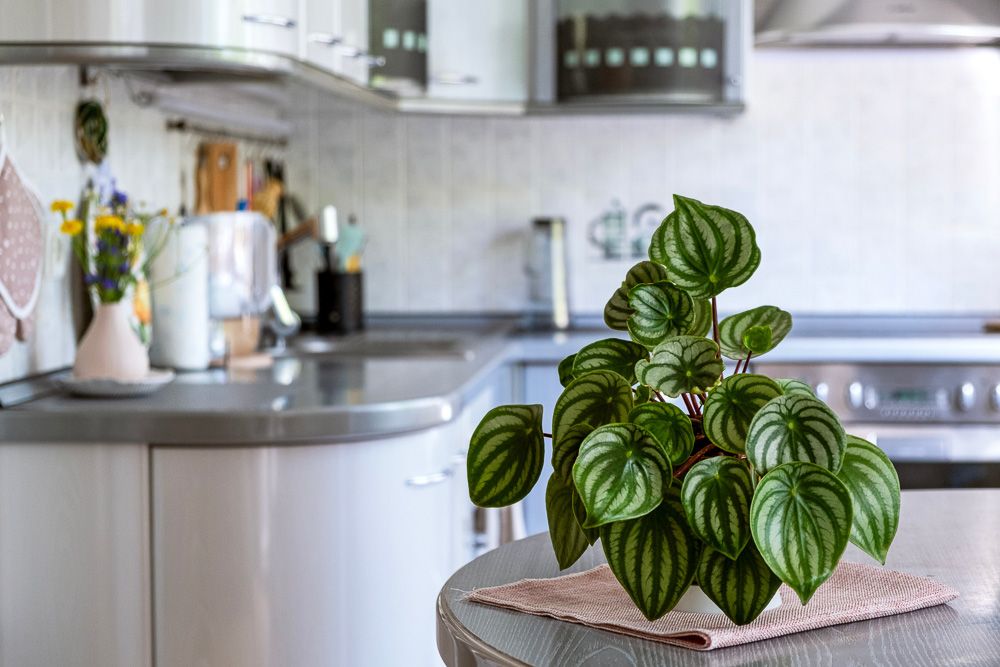
Known for their tolerance of various light conditions, peperomias do particularly well in a west-facing window’s bright, indirect light. The moderate afternoon light helps maintain their compact size and colourful leaves.
Maintenance tips:
- Allow soil to dry between waterings
- Tolerant of moderate light conditions
- Susceptible to root rot if overwatered
- Use well-draining soil
- Minimal fertilization
- Prune to maintain shape
- Propagate through leaf or stem cuttings
#35: Bamboo
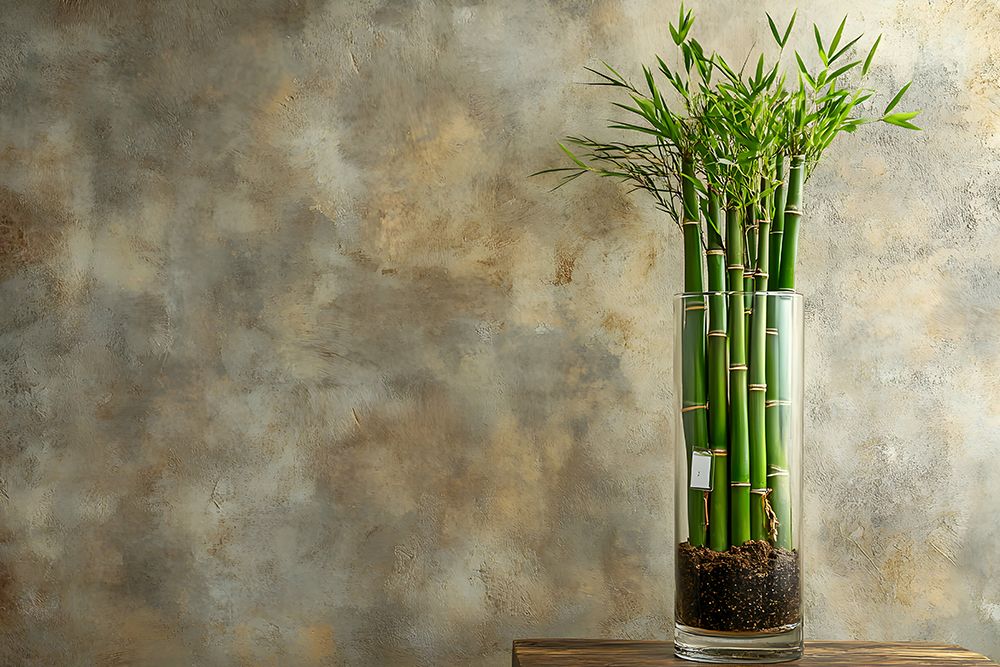
Bamboo Vastu Shastra considers it a symbol of prosperity and resilience. Placing bamboo plants in the eastern or southeastern direction of space is believed to attract positive energy. The number of bamboo stalks also holds significance: three for joy, five for balance, and seven for growth and success. To ensure their well-being, bamboo plants should be kept in indirect sunlight and trimmed regularly.
Maintenance tips:
- Bright, indirect sunlight
- Moist soil but not waterlogged
- Trim yellowing leaves
- Remove outdated or injured canes
- Dust the leaves occasionally with a brush or moist towel
Plants and their toxicity levels to humans and animals
| Plant | Toxic to Cats | Harmful to Dogs | Toxic to Humans |
| Lily | Yes | Moderately | Moderately |
| Sago Palm | Yes | They are | Yes |
| Dumb Cane | Moderately | Mildly | Moderately |
| English Ivy | Yes | Yes | Mildly |
How can Livspace help you?
With these beautiful plants chosen according to plant Vastu Shastra, you’ll be well on your way to achieving those good vibes your home deserves. Now, let’s get you some flawless interiors to match the good vibes:
- Livspace has been revolutionising home interiors since 2014
- We have delivered 75,000+ happy #LivspaceHomes
- Our team consists of 3,500+ expert designers
- We offer easy EMIs and a flat 10-year warranty*
Let us help you create your dream home interiors! Book a consultation NOW!
*For select finishes on modular products. For full scope of warranty, please visit livspace.com/in/service
Disclaimer: All contents of the story are specific to the time of publication. Mentions of costs, budget, materials, finishes, and products from the Livspace catalogue can vary with reference to current rates. Talk to our designer for more details on pricing and availability.


